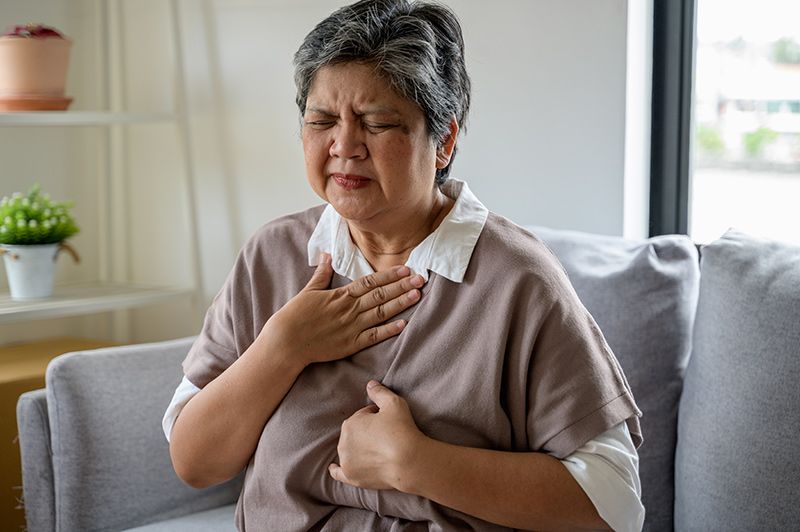

Starting GERD medications is often an important step towards relieving acid reflux symptoms, but some people continue to experience heartburn, regurgitation or chest discomfort even while following their prescribed treatment. Persistent symptoms do not necessarily mean the medication has stopped working or that a stronger prescription is needed. In many cases, symptom control can be influenced by factors beyond the medication itself, including when it is taken, ongoing dietary and lifestyle triggers, the anatomy of the oesophagus and stomach, and the severity of gastroesophageal reflux disease (GERD).
Understanding how these factors interact can help explain why symptoms persist and guide more personalised GERD treatment. A thorough assessment by a consultant surgeon can identify the underlying cause and determine whether adjustments to medication, lifestyle changes or additional treatment approaches are appropriate.
Does the Timing of Your GERD Medication Affect Symptom Control?
The effectiveness of many GERD medications, particularly proton pump inhibitors (PPIs), depends heavily on when they are taken.
Why Timing Matters for PPIs?
PPIs reduce stomach acid production by blocking proton pumps in the stomach lining. They work best when taken 30 to 60 minutes before a meal, allowing the medication to take effect as acid production increases. Taking PPIs after eating, at irregular times or missing doses can reduce their effectiveness. As they may take several days of consistent use to reach their full effect, it is important to continue taking them as prescribed before assessing whether treatment is working.
Timing Differences Between GERD Medications
Different GERD medications work in different ways, so their timing varies:
Proton Pump Inhibitors (PPIs)
They provide long-lasting acid suppression and require consistent, well-timed dosing before meals.
H2 Receptor Blockers
They act more quickly than PPIs and provide shorter-term relief. They may also be taken based on symptom patterns.
Antacids
They work immediately by neutralising existing stomach acid and are taken as needed when symptoms occur.
Before changing treatment, it is important to confirm that the medication is being taken consistently and at the recommended time, as incorrect use can reduce its effectiveness. Reviewing medication timing is often the first and most useful step in improving symptom control.
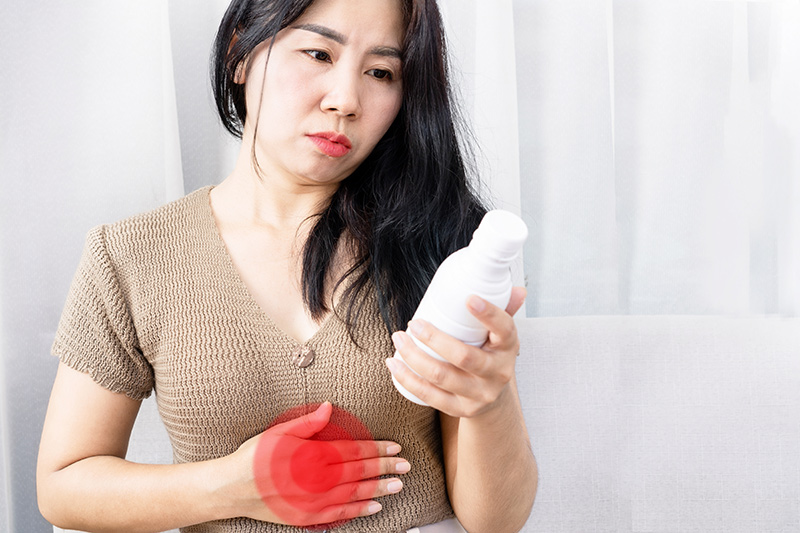
What Everyday Triggers Can Cause GERD Symptoms to Persist?
Even when medications are taken correctly, certain lifestyle and dietary habits can still trigger acid reflux and gastroesophageal reflux disease (GERD). While medications reduce stomach acid, they do not stop reflux if common triggers persist. Identifying and addressing these factors can help improve symptom control.
Dietary Triggers
Certain foods can relax the lower oesophageal sphincter (LES), delay stomach emptying or increase stomach acid production, making reflux more likely.
Common dietary triggers include:
- Spicy foods
- Fatty or fried foods
- Acidic foods, such as citrus fruits and tomatoes
- Chocolate
- Peppermint
As triggers vary between individuals, keeping a food diary may help identify foods that consistently worsen symptoms.
Alcohol, Caffeine and Smoking
Alcohol may contribute to reflux by relaxing the lower oesophageal sphincter, while caffeine affects people differently. If either consistently triggers your symptoms, reducing your intake may help improve symptom control. Smoking can also weaken the LES and reduce the oesophagus' ability to clear acid. Cutting back or avoiding these may improve symptoms.
Large or Late-Night Meals
Large meals increase stomach pressure and lying down soon after eating makes reflux more likely. Eating smaller meals and finishing food two to three hours before bedtime may help reduce symptoms.
Excess Body Weight and Meal Habits
Excess body weight, especially around the abdomen, increases pressure on the stomach and can worsen reflux. Overeating or eating quickly may have a similar effect. Maintaining a healthy weight and mindful eating can support symptom control.
Stress and Other Lifestyle Factors
Stress may make reflux symptoms feel more noticeable and may contribute to eating patterns or lifestyle habits that worsen reflux in some people. Poor sleep, irregular meals and exercising soon after eating can also aggravate symptoms. Managing these factors alongside medication may help improve control.
Can Your Anatomy Make GERD Symptoms More Difficult to Control?
One reason why acid reflux does not improve with medication is that persistent symptoms may be caused by structural issues in the digestive tract rather than excess stomach acid alone. While medications reduce acid production, they cannot correct anatomical problems that allow reflux to occur. Identifying these factors can guide further evaluation and treatment.
Hiatal Hernia
A hiatal hernia occurs when part of the stomach moves into the chest through the diaphragm. This weakens the barrier against reflux, allowing stomach contents to flow back into the oesophagus and cause recurrent symptoms.
Weakened Lower Oesophageal Sphincter (LES)
The LES normally prevents reflux. If it is weak or relaxes inappropriately, reflux can continue even with acid-reducing medication, which does not restore its function.
Differences in the Oesophagogastric Junction
Variations in the structure or function of the junction between the oesophagus and stomach can weaken the anti-reflux barrier and contribute to continued symptoms.
Why Structural Issues May Require More Than Medication
When anatomy plays a role, medication alone may not fully control symptoms. Further tests, such as endoscopy or pH monitoring, may be needed to identify the cause and guide additional treatments, including procedures or surgery.
Does the Severity of GERD Affect How Well Medications Work?
GERD severity varies between individuals. Mild cases often improve with medication and lifestyle changes, while people with more severe GERD and acid reflux may continue to experience symptoms despite appropriate medical therapy and lifestyle measures. Severity affects how often reflux occurs, how much stomach content refluxes and whether complications develop.
Mild Versus Severe GERD
Mild GERD usually causes occasional symptoms that respond to treatment. Severe GERD involves more frequent or prolonged reflux, making symptoms harder to control even with medication.
Oesophagitis, Barrett's Oesophagus and Chronic Reflux
Severe or long-term reflux can lead to complications like oesophagitis or Barrett's oesophagus. These conditions may be associated with long-standing reflux and require continued monitoring, although Barrett's oesophagus itself does not always cause symptoms.
Reflux Volume and Frequency
Acid-suppressing medication reduces the acidity of stomach contents but cannot prevent reflux episodes from occurring. Frequent or large-volume reflux can still cause symptoms because stomach contents continue to move into the oesophagus.
When Additional Treatment May Be Needed
Depending on your symptoms and treatment response, your surgeon may recommend investigations to better understand the cause of ongoing reflux. Management may include adjusting medication, endoscopic treatments or surgery.
Receive Personalised Care for Persistent GERD Symptoms with Dr Shanker
Continuing to experience acid reflux while taking GERD medications does not necessarily mean the treatment has failed. As several factors can contribute to recurrent reflux symptoms, a comprehensive reassessment helps identify the main cause and guides the most recommended treatment approach. Finding the right GERD treatment in Singapore involves understanding each person's symptoms, treatment response and overall digestive health.
At the Digestive Centre, we are committed to supporting patients with persistent GERD symptoms through every stage of their care, from evaluation and conservative management to surgical treatment when appropriate. Our senior consultant surgeon, Dr Shanker Pasupathy, provides an individualised assessment by reviewing medication use, identifying ongoing triggers, assessing anatomical factors and evaluating disease severity before recommending suitable treatment options. If your reflux symptoms continue despite treatment, book an appointment to discuss further evaluation and tailored treatment plan.
FAQs About Persistent GERD Symptoms Despite Medication
Why do my GERD symptoms seem worse on some days even though I take my medication consistently?
GERD symptoms can fluctuate from day to day due to changes in meal size, food choices, sleep quality, stress levels or physical activity. Even if you take your medication correctly, these factors can temporarily increase reflux episodes or make symptoms more noticeable. Keeping a symptom diary may help identify patterns that can be discussed with your surgeon.
Can persistent GERD symptoms damage my oesophagus even if I am taking medication?
They can, particularly if reflux continues over a prolonged period despite treatment. Ongoing exposure to stomach contents may contribute to inflammation or other changes in the oesophagus in some individuals. If symptoms persist or worsen, your surgeon may recommend investigations to assess whether the oesophagus has been affected and whether treatment should be adjusted.
Should I continue taking my GERD medication if my symptoms have not completely resolved?
You should not stop or change your prescribed medication without first consulting your doctor. Persistent symptoms do not always indicate that the medication is ineffective, and stopping treatment abruptly may allow symptoms to worsen. Your surgeon can determine whether your medication regimen should be adjusted or whether further evaluation is required.
Are there situations where reflux symptoms are not actually caused by GERD?
Yes. Conditions such as functional heartburn, oesophageal motility disorders, eosinophilic oesophagitis or certain cardiac conditions can cause symptoms that resemble GERD. If investigations do not show significant acid reflux, your surgeon may consider other possible causes and recommend additional tests to reach an accurate diagnosis.
How do doctors decide whether I am a suitable candidate for anti-reflux surgery?
Surgery is usually considered only after a comprehensive assessment confirms that symptoms are caused by GERD and are unlikely to be adequately controlled with medication and lifestyle measures alone. Your surgeon may review your symptoms, endoscopy findings, pH monitoring results, oesophageal function and overall health before determining whether an anti-reflux procedure is appropriate.
Our Upper Gastrointestinal & Bariatric Surgeon in Singapore

Dr Shanker Pasupathy
Upper Gastrointestinal & Bariatric Surgeon
MBBS, National University of Singapore
Fellow of the Royal College of Surgeons (Glasgow)
Fellow of the Royal College of Surgeons (Edinburgh)
Dr Shanker Pasupathy is the Medical Director of the Digestive Centre at Mount Elizabeth Hospital and a recognised key opinion leader in gastro-oesophageal reflux, hernia and metabolic disease management. He has extensive international training in gastrointestinal endoscopy, laparoscopy and robotic surgery, with experience gained in the UK, France and Germany.
Prior to private practice, he was Director of the LIFE Centre and Senior Consultant at Singapore General Hospital, where he led the metabolic-bariatric surgery service. Dr Shanker is actively involved in training healthcare professionals across the region and was awarded the Dean’s Award for teaching excellence from NUS Medicine. He also holds leadership positions in regional surgical societies and is a member of the American Society for Metabolic and Bariatric Surgery (ASMBS).
We offer comprehensive, personalised care for acid reflux and obesity.
Please fill in the form to enquire or book an appointment here. We’ll get back to you as soon as possible.
Mount Elizabeth Hospital3 Mount Elizabeth #12-14 Mount ElizabethMedical Centre Singapore 228510
Tel: +65 6737 5388Whatsapp: +65 8799 2791
Opening Hours:
Mon-Fri: 9am - 5pmSat: 9am - 12.30pmClosed on Sunday & Public Holidays