

Many patients continue experiencing acid reflux symptoms even while taking daily medication. This is because reflux medication reduces stomach acid but does not always stop stomach contents from moving back into the oesophagus.
As a result, some people still experience heartburn, regurgitation, chest discomfort, throat irritation, or bloating despite treatment. In certain cases, persistent reflux symptoms may be linked to structural issues such as a weakened valve or hiatal hernia.
Key Takeaways
- Reflux medication reduces stomach acid but may not fully stop reflux.
- Some patients continue experiencing symptoms despite daily medication.
- Persistent reflux may be linked to a weakened lower oesophageal sphincter or hiatal hernia.
- Further evaluation may be recommended when symptoms do not improve.
- Treatment may involve lifestyle changes, medication adjustment, or procedural options.
Why Doesn't Reflux Medication Always Work?
Proton pump inhibitors (PPIs) and other acid-suppressing medications are designed to lower stomach acid levels. While they are effective for many patients, they do not always prevent acid reflux itself.
This means stomach contents, digestive enzymes, and bile may still move upward into the oesophagus and continue causing irritation.
Some patients may continue experiencing:
- Heartburn
- Regurgitation
- Chest discomfort
- Throat irritation
- Persistent cough or bloating
When symptoms continue despite medication, further assessment may be needed to determine whether another underlying issue is contributing to reflux.
Could a Hiatal Hernia Be Causing Persistent Reflux?
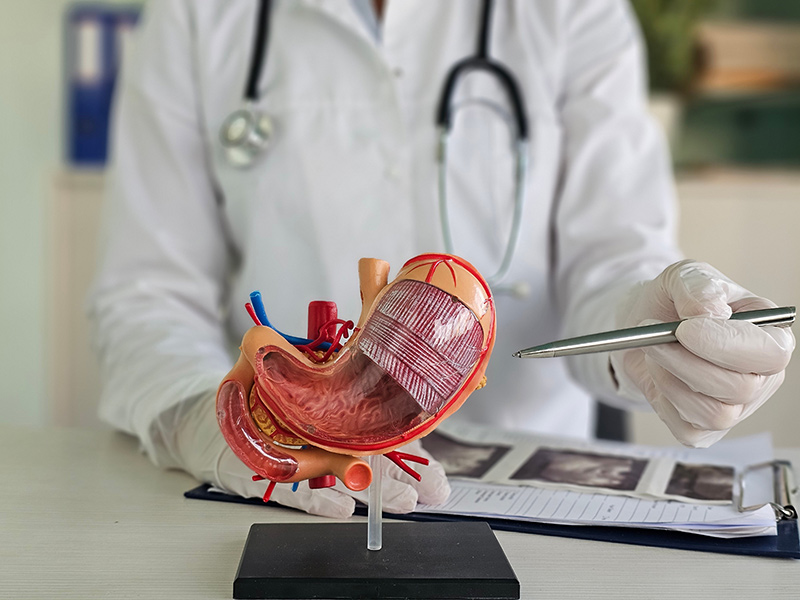
A hiatal hernia occurs when part of the stomach moves upward through the diaphragm into the chest.
This can weaken the natural barrier that helps prevent reflux, making it more difficult for medication alone to control symptoms.
In some patients, a hiatal hernia may contribute to:
- Persistent heartburn
- Regurgitation
- Difficulty controlling symptoms with medication
- Ongoing reflux despite lifestyle changes
Specialists may use imaging or endoscopic evaluation to identify whether a hiatal hernia is contributing to reflux symptoms.
How Is Persistent Acid Reflux Diagnosed?
When reflux symptoms continue despite treatment, doctors may recommend additional testing to better understand the cause.
Diagnostic tests may include:
Endoscopy
A camera examination used to inspect the oesophagus and stomach for inflammation, irritation, or structural abnormalities.
pH Monitoring
A test that measures reflux activity over 24 hours to determine how often stomach contents move into the oesophagus.
Oesophageal Manometry
A pressure test used to evaluate how well the oesophagus and lower oesophageal sphincter are functioning.
These tests help determine whether reflux symptoms are related to ongoing acid exposure, structural issues, or other digestive conditions.
What Treatments Are Available When Medication Does Not Help?
Treatment depends on the severity of symptoms and the underlying cause of reflux.
For many patients, treatment may involve:
- Adjusting medication
- Improving meal timing and eating habits
- Avoiding trigger foods
- Weight management
- Reducing late-night eating
In some cases, procedural or surgical treatment may be recommended when reflux is linked to structural problems such as a hiatal hernia or weakened reflux barrier.
Options may include:
- Minimally invasive reflux procedures
- Hiatal hernia repair
- Valve reinforcement procedures such as fundoplication or LINX
Your specialist will recommend the most appropriate treatment based on symptoms, test results, and overall oesophageal function.
When Should You See a Specialist for Acid Reflux?
You should consider medical evaluation if:
- Symptoms persist despite medication
- Reflux symptoms repeatedly return
- You experience regurgitation or difficulty swallowing
- Symptoms interfere with sleep or daily activities
- You rely on long-term reflux medication without lasting improvement
Early evaluation may help identify whether reflux is related to ongoing acid exposure, a structural issue, or another digestive condition.
Reclaiming Digestive Health at Digestive Centre
Persistent reflux symptoms are not always resolved with medication alone. When symptoms continue despite treatment, a specialist evaluation can help identify whether reflux, a hiatal hernia, or another digestive condition may be contributing to the problem.
Our team at Digestive Centre provides evidence-based assessment and treatment for patients experiencing ongoing reflux symptoms, heartburn, regurgitation, and related digestive concerns. Led by Dr Shanker Pasupathy, we work closely with patients to evaluate the underlying cause of persistent reflux symptoms and recommend personalised management options based on their condition and diagnostic findings.
Arrange a consultation with us today to better understand your symptoms and explore appropriate long-term treatment options.
Frequently Asked Questions About Acid Reflux and Medication
Why do I still experience heartburn while taking reflux medication?

Can a hiatal hernia make reflux medication less effective?
Can long-term reflux medication cause side effects?
When should I consider further testing for reflux?
Your Dedicated Specialist
Dr Shanker Pasupathy
Upper Gastrointestinal & Bariatric Surgeon
MBBS, National University of Singapore
Fellow of the Royal College of Surgeons (Glasgow)
Fellow of the Royal College of Surgeons (Edinburgh)
Dr Shanker Pasupathy is the Medical Director of the Digestive Centre at Mount Elizabeth Hospital and a recognised key opinion leader in gastro-oesophageal reflux, hernia and metabolic disease management. He has extensive international training in gastrointestinal endoscopy, laparoscopy and robotic surgery, with experience gained in the UK, France and Germany.
Prior to private practice, he was Director of the LIFE Centre and Senior Consultant at Singapore General Hospital, where he led the metabolic-bariatric surgery service. Dr Shanker is actively involved in training healthcare professionals across the region and was awarded the Dean’s Award for teaching excellence from NUS Medicine. He also holds leadership positions in regional surgical societies and is a member of the American Society for Metabolic and Bariatric Surgery (ASMBS).
We offer comprehensive, personalised care for acid reflux and obesity.
Please fill in the form to enquire or book an appointment here. We’ll get back to you as soon as possible.
Mount Elizabeth Hospital3 Mount Elizabeth #12-14 Mount ElizabethMedical Centre Singapore 228510
Tel: +65 6737 5388Whatsapp: +65 8799 2791
Opening Hours:
Mon-Fri: 9am - 5pmSat: 9am - 12.30pmClosed on Sunday & Public Holidays