





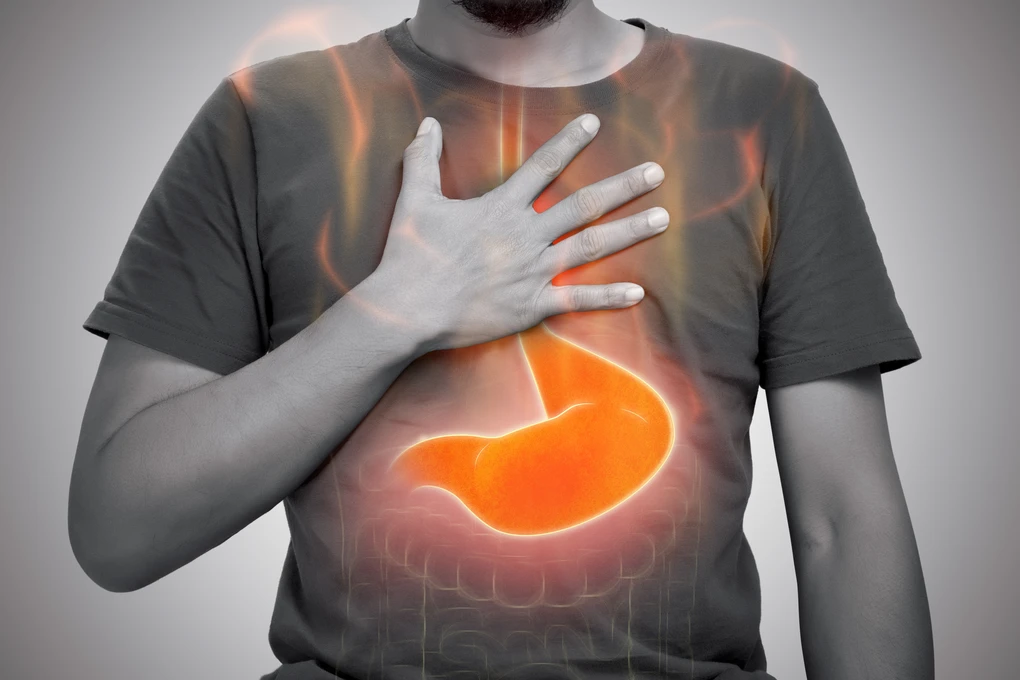
If you suffer from chronic heartburn or regurgitation, you know the routine: wake up, take a proton pump inhibitor (PPI) pill, and hope for the best. For many, PPIs offer a temporary shield, but they don't fix the core problem—the failed valve between your oesophagus and stomach (the lower oesophageal sphincter, or LES).
In my practice, I see countless patients who still struggle with symptoms despite maximizing their medication dose. Plus, with increasing concerns about the safety profile of long-term PPI use, many people are looking for a definitive way out of the "pill trap".
For decades, the only surgical alternative was the Nissen fundoplication (LNF), which worked well but often left patients with frustrating side effects like severe bloating and the inability to belch or vomit. We needed a solution that was highly effective without sacrificing basic quality of life. That solution is Magnetic Sphincter Augmentation, using the LINX device.
What is the LINX Device and How Does it Work?
The LINX device is an ingenious piece of engineering designed to restore the natural function of your LES.
What is the LINX Device?
It is a small, flexible ring composed of interlinked titanium beads, each containing a magnetic core. This ring is surgically placed around the lower oesophageal sphincter, the valve at the junction of your oesophagus and stomach.
How Does the LINX Device Work?
The mechanism is beautifully simple:
- It closes the valve: The magnetic attraction between the beads is strong enough to keep the valve closed, preventing stomach acid and contents from refluxing back up. This is how it physically blocks reflux.
- It lets you eat normally: When you swallow food or liquid, the natural force of that bolus is enough to temporarily overcome the magnetic attraction. The beads separate, the food passes, and then the magnets automatically snap the ring shut again.
This dynamic design is the key. It strengthens your weak LES without altering your stomach’s anatomy. Objective measurements taken after the procedure show that the mean LES resting pressure significantly increases, proving the device successfully corrects the underlying mechanical fault.
The LINX Advantage: Freedom and Function
The benefits of choosing LINX over long-term medication or traditional surgery are substantial and often life-changing.
Benefit 1: Freedom from Medication
For most patients, the primary goal is getting off daily pills. The LINX procedure achieves this with outstanding results. Clinical evidence shows that over 90% of patients can reduce or completely eliminate their need for reflux medication long-term. In some studies, PPI cessation rates have reached 100%. For patients with moderate-to-severe GERD that medication struggles to control, research has shown LINX to work better than increasing the PPT dosage to a double-dose.
Benefit 2: Improved Quality of Life
Unlike traditional fundoplication, the LINX device preserves the natural anatomy of your stomach and oesophagus. This means a quicker recovery and fewer debilitating side effects associated with the older procedure.
Functional Outcome | LINX (MSA) | Traditional Surgery (LNF) |
Postoperative Bloating/Gas-Bloat | Low Rate (~10%) | High Rate (~32%) |
Preserved Ability to Belch/Vomit | High Rate (~89%) | Low Rate (~41%) |
Benefit 3: Reversibility
Because no part of the stomach or oesophagus is cut, stapled, or removed, the LINX procedure is completely reversible, offering a significant safety margin.
The Minimally Invasive Procedure and Recovery
A Quick and Precise Procedure
The LINX device is placed using a minimally invasive laparoscopic technique, performed through small "keyhole" incisions in the abdomen. The procedure is typically fast, often completed in under an hour. An X-ray is routinely performed immediately afterward to confirm the correct placement of the device.
Accelerated Recovery
Most patients go home the same day or after an overnight stay for monitoring. Dietary progression is swift; patients typically start a soft food diet within 48 hours. You are encouraged to quickly resume normal eating to help your oesophagus adapt. Routine daily activities can generally be resumed within a few days, once you no longer require prescription pain medication.
Are You the Right Candidate for LINX?
LINX is not for everyone, which is why detailed pre-operative testing is essential for success. It is designed specifically for patients who have:
- Reflux due to a weak sphincter muscle.
- Moderate-to-severe GERD where symptoms persist despite taking medications like PPIs.
- A return of reflux every time medications are stopped.
Clinical Requirements
To be considered for the procedure, your doctor must ensure you meet strict physiological criteria. These pre-operative tests, including oesophageal manometry and hiatal hernia assessment, are mandatory. The device is typically suitable only for patients who:
- Have sufficient oesophageal muscle strength (motility) to push food past the magnetic barrier.
- Do not have a hiatal hernia larger than 3 cm (or have it surgically repaired).
- Do not have severe grade C or D esophagitis.
- Are not morbidly obese (BMI > 35).
The American College of Gastroenterology (ACG) includes a recommendation suggesting the consideration of LINX for patients with troublesome GERD symptoms who wish to avoid LNF, provided they do not have severe esophagitis or a large hiatal hernia.
What to Expect: Managing Temporary Dysphagia
The most common side effect is temporary difficulty swallowing (dysphagia), particularly with solids. This is actually a normal part of the healing process as your oesophagus adapts to working against the new magnetic resistance. This is usually mild and resolves within 90 days.
In a small number of patients (around 5–10%), swallowing difficulties persist beyond two months. When this occurs, it is highly treatable with a simple, non-surgical outpatient procedure called an endoscopic balloon dilation, which resolves the issue in the vast majority of cases.
Freedom from Medication & Chronic GERD
For patients suffering from chronic GERD who are looking for a definitive, long-term solution that provides freedom from medication while preserving normal function, the LINX Reflux Management System represents a notable clinical advance. By restoring the natural barrier and minimizing functional side effects, LINX offers a pathway back to a reflux-free life. For more information, do not hesitate to contact our acid reflux clinic, led by Dr Shanker Pasupathy.
References
- LINX (™) Reflux Management System: magnetic sphincter ... - PubMed, accessed November 17, 2025, https://pubmed.ncbi.nlm.nih.gov/23237251/
- Laparoscopic anti-reflux operation: fundoplication vs. Linx— techniques and outcomes - AME Publishing Company, accessed November 17, 2025, https://cdn.amegroups.cn/journals/tgh/files/journals/28/articles/5991/public/5991-PB4-9194-R3.pdf?filename=shc-05-9.pdf&t=1732624971
- ACG Clinical Guideline: Guidelines for the Diagnosis and ..., accessed November 17, 2025, https://pmc.ncbi.nlm.nih.gov/articles/PMC8754510/
- Magnetic Sphincter Augmentation vs Fundoplication for GERD: A ..., accessed November 17, 2025, https://www.heraldopenaccess.us/openaccess/magnetic-sphincter-augmentation-vs-fundoplication-for-gerd-a-comparative-review-of-surgical-outcomes
- LINX® reflux management system to bridge the “treatment gap” in ..., accessed November 17, 2025, https://pmc.ncbi.nlm.nih.gov/articles/PMC7000944/
- LINX Procedure: Surgical Institute at Macon, Georgia - Navicent Health, accessed November 17, 2025, https://navicenthealth.org/service-center/surgical-institute-navicent-health/linx-procedure
- LINX™ Reflux Management System | Ethicon - J&J MedTech, accessed November 17, 2025, https://www.jnjmedtech.com/en-US/product/linx-reflux-management-system
- The Impact of Magnetic Sphincter Augmentation (MSA) on Esophagogastric Junction (EGJ) and Esophageal Body Physiology and Manometric Characteristics - PMC, accessed November 17, 2025, https://pmc.ncbi.nlm.nih.gov/articles/PMC9891265/
- LINX Reflux Management System - Massachusetts General Hospital, accessed November 17, 2025, https://www.massgeneral.org/digestive/treatments-and-services/linx-reflux-management-system
- SAGES LINX® Safety and Effectiveness Analysis, accessed November 17, 2025, https://www.sages.org/publications/tavac/tavac-safety-and-effectiveness-analysis-linx-reflux-management-system/
We offer comprehensive, personalised care for acid reflux and obesity.
Please fill in the form to enquire or book an appointment here. We’ll get back to you as soon as possible.
Mount Elizabeth Hospital3 Mount Elizabeth #12-14 Mount ElizabethMedical Centre Singapore 228510
Tel: +65 6737 5388Whatsapp: +65 8799 2791
Opening Hours:
Mon-Fri: 9am - 5pmSat: 9am - 12.30pmClosed on Sunday & Public Holidays
