





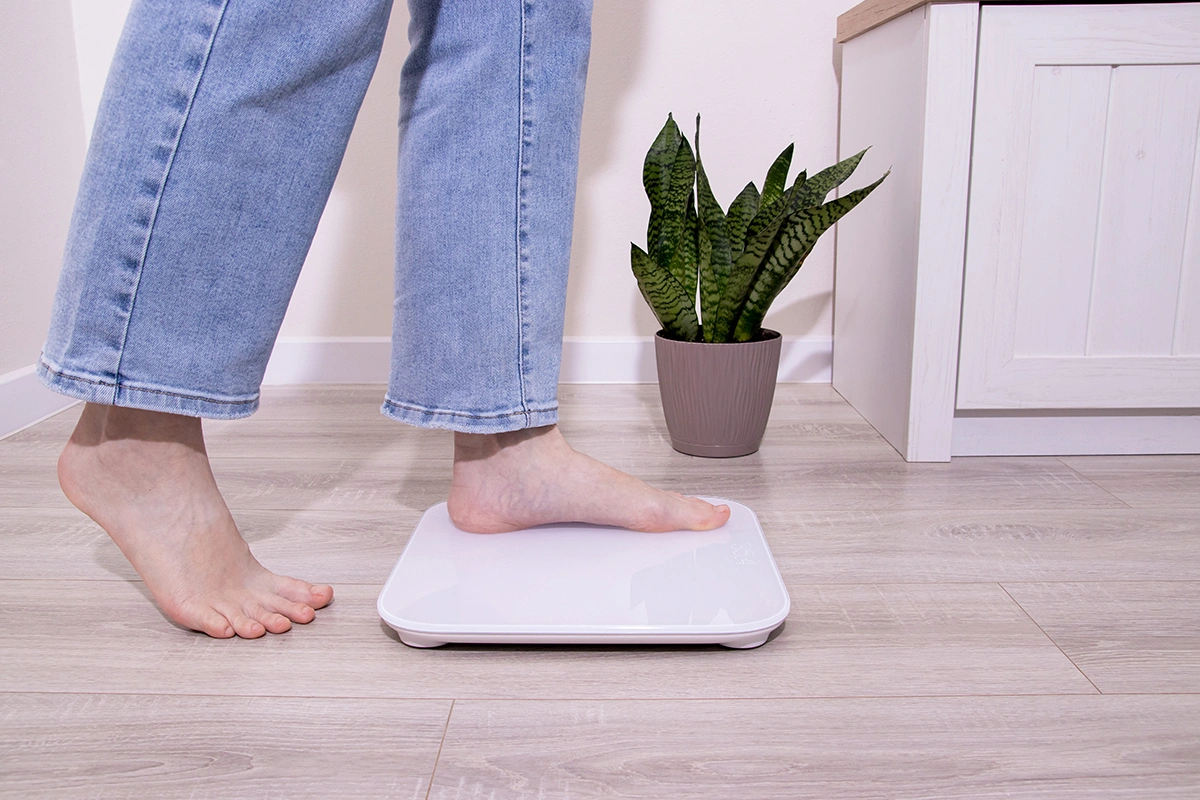

Endoscopic sleeve gastroplasty (ESG) is a weight loss procedure that can help reduce stomach size, but results vary between individuals. While many people lose weight, some may experience slower progress or less weight loss than expected.
This is often influenced by factors such as dietary habits, lifestyle changes, metabolism, or changes in the stomach over time. Understanding these factors can help identify what may be affecting progress and guide next steps.
How Much Weight Loss Is Expected After ESG?
Weight loss after endoscopic sleeve gastroplasty (ESG) varies between individuals. Studies suggest that patients may lose around 15–20% of their total body weight within 1 to 2 years, although results depend on several factors.
Weight loss is typically gradual rather than immediate. Many patients see the most noticeable changes within the first 6 to 12 months, followed by a slower, more sustained phase.
Outcomes are influenced by factors such as dietary habits, physical activity, and long-term lifestyle changes. ESG works as a tool to support weight loss, but results depend on how it is combined with these changes.
Why Might Weight Loss Be Limited After ESG?
Not achieving expected weight loss after ESG does not necessarily mean the procedure has failed. Weight loss outcomes are influenced by multiple factors, many of which can be identified and addressed.
Common reasons include:
Dietary habits after the procedure
ESG reduces stomach capacity, but weight loss still depends on food choices. Frequent snacking, high-calorie liquids, or energy-dense foods can reduce the overall calorie deficit needed for weight loss.
Lack of sustained lifestyle changes
ESG supports weight loss, but long-term results depend on consistent lifestyle habits. Limited physical activity or difficulty maintaining dietary changes can slow progress over time.
Metabolic and hormonal factors
Individual metabolism and hormonal regulation can affect how the body responds to weight loss. Conditions such as insulin resistance or hormonal imbalances may contribute to slower results.
Stomach adaptation over time
The stomach may gradually adapt if dietary habits are not maintained. In some cases, increased portion sizes or loosening of sutures can reduce the restrictive effect of the procedure.
Unrealistic expectations
ESG typically results in gradual weight loss. Expectations of rapid or dramatic changes may not align with how the procedure works, especially when compared to more invasive bariatric surgeries.
Signs That Weight Loss May Be Off Track After ESG
Weight loss after ESG is usually gradual, but certain patterns may suggest that progress is not as expected. Recognising these signs early allows for timely adjustments and better long-term outcomes.
Key signs to look out for:
Minimal or no weight loss in the first few months
: Some variation is normal, but little to no change over time may indicate underlying factors affecting progress.Early weight loss plateau
: A plateau soon after the procedure, especially within the first 3 to 6 months, may suggest that adjustments are needed.Weight regain after initial loss
: Regaining weight after early success can indicate a return of previous habits or reduced effectiveness over time.Persistent hunger or increasing portion sizes
: Feeling less restriction when eating may suggest changes in dietary habits or stomach adaptation.Difficulty maintaining recommended lifestyle changes
: Challenges with diet or physical activity can directly affect weight loss outcomes.
If one or more of these signs are present, a review with a healthcare professional can help identify the cause and guide appropriate next steps.
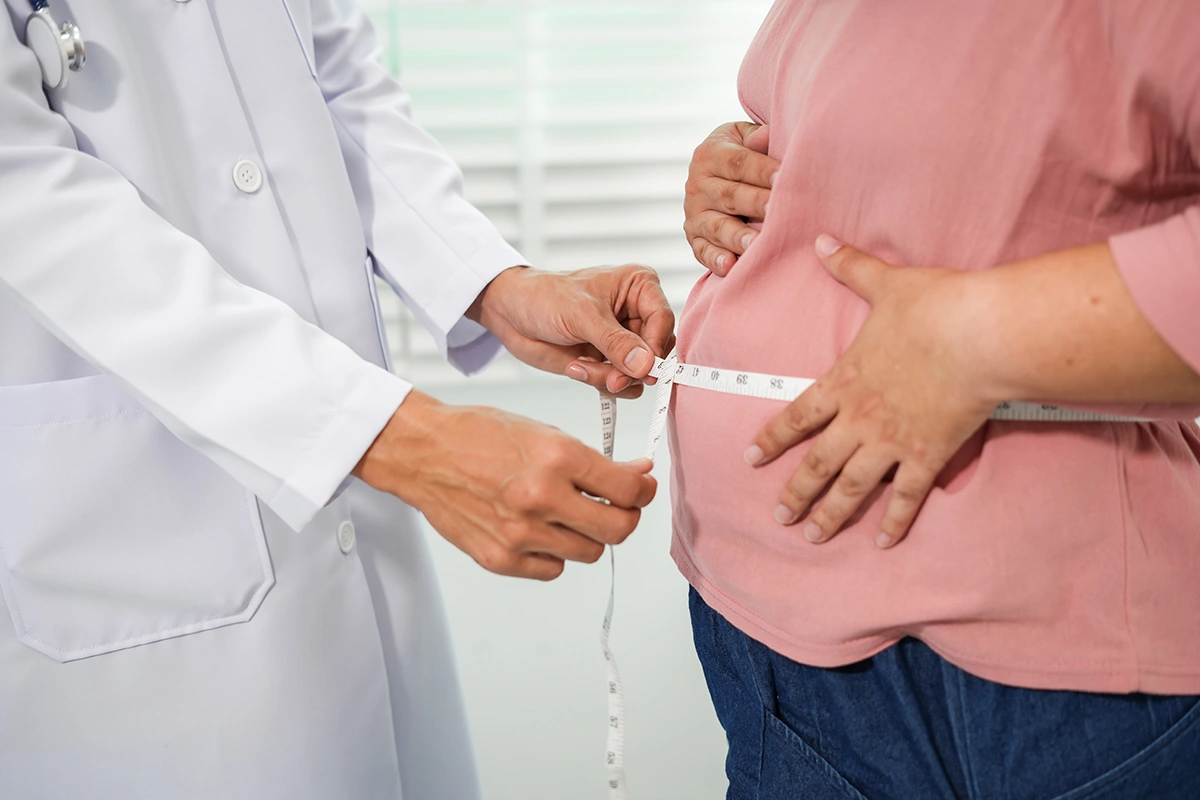
Explore Your Weight Loss Options After ESG with Dr Shanker
Weight loss after ESG can vary between individuals, and slower progress does not necessarily mean the procedure has not worked. Factors such as dietary habits, lifestyle patterns, metabolism, and changes over time can all influence outcomes. Recognising when progress is not as expected allows for timely adjustments that may help improve results and support more sustainable weight management.
Here at Digestive Centre, patients have access to comprehensive care and treatment options tailored to individual needs. Dr Shanker Pasupathy has extensive expertise in both surgical and endoscopic weight loss procedures and has held leadership roles in metabolic and bariatric surgery in Singapore. If you are considering ESG or exploring medical support for weight loss, book a specialist consultation to determine the most appropriate treatment for your individual needs and goals.
FAQs About Weight Loss After ESG

Your Dedicated Specialist
Dr Shanker Pasupathy
Upper Gastrointestinal & Bariatric Surgeon
MBBS, National University of Singapore
Fellow of the Royal College of Surgeons (Glasgow)
Fellow of the Royal College of Surgeons (Edinburgh)
Dr Shanker Pasupathy is the Medical Director of the Digestive Centre at Mount Elizabeth Hospital and a recognised key opinion leader in gastro-oesophageal reflux, hernia and metabolic disease management. He has extensive international training in gastrointestinal endoscopy, laparoscopy and robotic surgery, with experience gained in the UK, France and Germany.
Prior to private practice, he was Director of the LIFE Centre and Senior Consultant at Singapore General Hospital, where he led the metabolic-bariatric surgery service. Dr Shanker is actively involved in training healthcare professionals across the region and was awarded the Dean’s Award for teaching excellence from NUS Medicine. He also holds leadership positions in regional surgical societies and is a member of the American Society for Metabolic and Bariatric Surgery (ASMBS).
We offer comprehensive, personalised care for acid reflux and obesity.
Please fill in the form to enquire or book an appointment here. We’ll get back to you as soon as possible.
Mount Elizabeth Hospital3 Mount Elizabeth #12-14 Mount ElizabethMedical Centre Singapore 228510
Tel: +65 6737 5388Whatsapp: +65 8799 2791
Opening Hours:
Mon-Fri: 9am - 5pmSat: 9am - 12.30pmClosed on Sunday & Public Holidays
