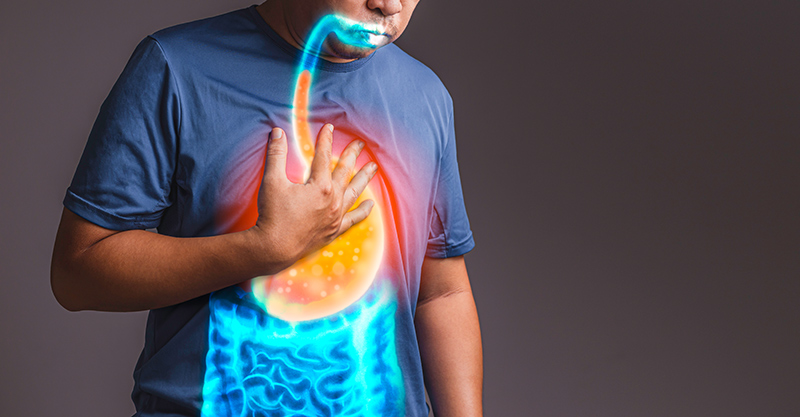

Before deciding on surgery for gastroesophageal reflux disease (GERD) or persistent acid reflux, many patients want to understand the differences between the available procedures and whether one may be more suitable for their condition. Two commonly performed types of fundoplication are Nissen fundoplication and Toupet fundoplication, both of which aim to reduce reflux by strengthening the barrier between the stomach and oesophagus. However, the choice of procedure depends on factors such as your oesophageal function, symptoms and overall health.
If you are considering Nissen fundoplication or Toupet fundoplication in Singapore, learning how these procedures differ, what to expect during recovery and the factors surgeons consider when recommending one approach over the other can help you have a more informed discussion with your surgeon.
What Are Nissen and Toupet Fundoplication Procedures?
For people with gastroesophageal reflux disease (GERD) whose symptoms persist despite medication and lifestyle changes, fundoplication surgery may provide longer-term relief from acid reflux. The procedure reinforces the lower oesophageal sphincter between the oesophagus and stomach to reduce the backflow of stomach acid.
The two most common types are Nissen fundoplication and Toupet fundoplication. While both aim to control reflux, they differ in how the stomach is wrapped around the lower oesophagus.
What Is Nissen Fundoplication?
Nissen fundoplication involves wrapping the upper part of the stomach completely around the lower oesophagus, creating a 360-degree wrap. This reinforces the lower oesophageal sphincter to help prevent acid reflux. Nissen fundoplication in Singapore is typically performed using minimally invasive laparoscopic techniques, allowing for smaller incisions and a quicker recovery.
What Is Toupet Fundoplication?
Toupet fundoplication creates a 270-degree partial wrap around the back of the oesophagus. It also strengthens the anti-reflux barrier but places less circumferential pressure on the lower oesophagus, making it an appropriate option for some patients with weaker oesophageal muscle function. Like Nissen fundoplication, Toupet fundoplication in Singapore is commonly performed laparoscopically.
How Do Both Procedures Help Control Acid Reflux?
Both procedures strengthen the lower oesophageal sphincter to reduce the backflow of stomach acid into the oesophagus. This can help relieve symptoms of GERD, improve quality of life and may reduce the need for long-term acid-suppressing medication in suitable patients. Although both procedures reinforce the lower oesophageal sphincter, the differences in wrap design influence how surgeons select the most appropriate option for each patient.
What Are the Differences Between Nissen and Toupet Fundoplication?
Both Nissen and Toupet fundoplication are effective surgical treatments for GERD and chronic acid reflux. Although they share the same goal of reducing reflux, they differ in the surgical technique used and the patients they may be best suited for.
How Much of the Stomach Is Wrapped Around the Oesophagus?
The main difference is the extent of the stomach wrap around the lower oesophagus.
| Nissen Fundoplication | Toupet Fundoplication |
|---|---|
| Complete 360-degree wrap around the oesophagus | Partial 270-degree wrap around the back of the oesophagus |
| May provide greater reflux control in appropriately selected patients | Balances reflux control with easier swallowing in selected patients |
| Often recommended for patients with normal oesophageal muscle function | May be preferred for patients with reduced oesophageal motility |
How Do Recovery and Side Effects Compare?
Both procedures are usually performed laparoscopically and have similar recovery timelines. Nissen fundoplication recovery typically includes a gradual return to normal activities and a temporary soft diet while healing occurs.
Temporary swallowing difficulties, bloating and gas can occur after either procedure. However, Toupet fundoplication may reduce the risk of persistent swallowing difficulties in some patients because it uses a partial wrap.
Is One Procedure More Suitable for Certain Patients?
Neither procedure is inherently better. The choice depends on factors such as:
- The severity of your GERD or acid reflux
- Oesophageal muscle function
- Existing swallowing difficulties
- Your overall health and anatomy
While both procedures aim to provide long-term reflux control, acid reflux after Nissen fundoplication or Toupet fundoplication can still occur in some patients. Your surgeon will recommend the option that offers the best balance between effective reflux control and comfortable swallowing for your individual needs.
How Surgeons Choose Between Nissen and Toupet Fundoplication?
Choosing between Nissen and Toupet fundoplication is not simply a matter of preference. The most appropriate procedure depends on your anatomy, the severity of your GERD, oesophageal function and the findings from your pre-operative assessment. These factors help your surgeon recommend the option most likely to provide lasting reflux control while preserving comfortable swallowing.
How Does Oesophageal Function Influence the Choice?
The strength and coordination of your oesophageal muscles play an important role in surgical planning.
- Patients with normal oesophageal function may be suitable for a Nissen fundoplication
- Patients with weaker oesophageal motility may benefit from a Toupet fundoplication, which creates less resistance during swallowing
- The aim is to achieve effective reflux control while minimising swallowing difficulties after surgery
What Tests Are Performed Before Surgery?
Your surgeon may recommend several investigations to confirm the diagnosis and guide treatment, including:
- Upper endoscopy to assess the oesophagus and stomach
- Oesophageal manometry to measure swallowing function
- Ambulatory pH monitoring to confirm acid reflux
- Imaging studies if a hiatal hernia is suspected
These tests help determine whether fundoplication is appropriate and which technique is most suitable.
How Long Does Nissen or Toupet Fundoplication Surgery Take?
In most cases, both Nissen fundoplication and Toupet fundoplication are completed within 1.5 to 3 hours using a minimally invasive laparoscopic approach. The exact duration depends on factors such as your anatomy, whether a hiatal hernia also needs to be repaired and the complexity of the procedure. Your surgeon will discuss what to expect based on your individual treatment plan.
Why Is Treatment Personalised for Every Patient?
There is no single 'best' fundoplication procedure for everyone. Your surgeon considers multiple factors, including:
- The severity of your GERD and acid reflux symptoms
- Your oesophageal anatomy and swallowing function
- Your overall health and medical history
- Your treatment goals and expected recovery
A personalised consultation ensures the recommended procedure is tailored to your individual needs, helping you achieve the best possible long-term outcome.
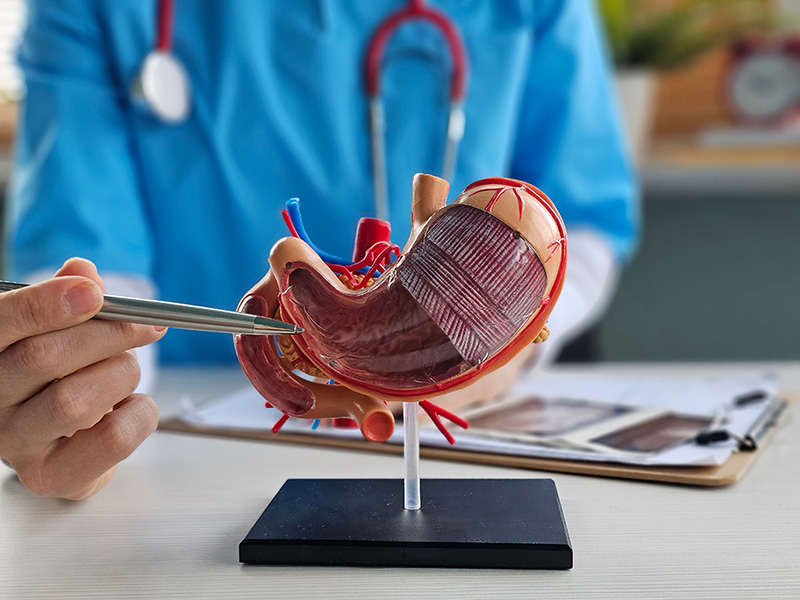
Choosing the Right Fundoplication Procedure with Dr Shanker
Both Nissen fundoplication and Toupet fundoplication are well-established surgical treatments for GERD and persistent acid reflux when conservative measures no longer provide adequate relief. While both procedures aim to reduce reflux and improve quality of life, neither is universally better than the other. Choosing between the two procedures involves balancing effective reflux control with preserving normal swallowing function. Your surgeon will recommend the option based on your assessment findings and treatment goals.
At the Digestive Centre, we are committed to supporting patients throughout their treatment journey, from the initial assessment and diagnosis to surgery and post-operative recovery. Our senior consultant surgeon, Dr Shanker Pasupathy, provides personalised care based on each patient's symptoms, anatomy and treatment goals, guiding patients through every stage of the decision-making process. If you are experiencing persistent reflux symptoms or are considering fundoplication surgery, schedule a consultation for a comprehensive evaluation and an individualised treatment plan.
FAQs About Nissen and Toupet Fundoplication
Will I still need acid reflux medication after fundoplication surgery?
While many patients are able to reduce or stop their acid-suppressing medication after a successful fundoplication, this is not guaranteed. Some people may continue to require occasional medication if symptoms recur. Your surgeon will monitor your recovery and advise whether medication remains necessary.
Can a fundoplication become loose or fail over time?
Although fundoplication is designed to provide long-term relief, the wrap can loosen or shift in some patients over time. Factors such as natural tissue changes, recurrent hiatal hernias or significant physical strain may contribute to symptom recurrence. Persistent or returning reflux symptoms should be assessed by your surgeon.
Will I be able to burp or vomit normally after fundoplication?
Some patients notice temporary difficulty burping or vomiting after surgery because the reinforced valve is tighter than before. These changes often improve as healing progresses, although experiences vary depending on the type of fundoplication performed and individual anatomy.
When can I return to exercise after fundoplication surgery?
Light walking is usually encouraged soon after surgery, while strenuous exercise and heavy lifting are generally avoided for several weeks to allow the surgical repair to heal. Your surgeon will provide personalised guidance based on your recovery and the type of activities you plan to resume.
Can a hiatal hernia be repaired at the same time as fundoplication?
Many patients with GERD also have a hiatal hernia and both conditions can often be treated during the same operation. Repairing the hernia alongside the fundoplication helps restore the normal anatomy and supports better long-term reflux control where appropriate.
Our Upper Gastrointestinal & Bariatric Surgeon in Singapore

Dr Shanker Pasupathy
Upper Gastrointestinal & Bariatric Surgeon
MBBS, National University of Singapore
Fellow of the Royal College of Surgeons (Glasgow)
Fellow of the Royal College of Surgeons (Edinburgh)
Dr Shanker Pasupathy is the Medical Director of the Digestive Centre at Mount Elizabeth Hospital and a recognised key opinion leader in gastro-oesophageal reflux, hernia and metabolic disease management. He has extensive international training in gastrointestinal endoscopy, laparoscopy and robotic surgery, with experience gained in the UK, France and Germany.
Prior to private practice, he was Director of the LIFE Centre and Senior Consultant at Singapore General Hospital, where he led the metabolic-bariatric surgery service. Dr Shanker is actively involved in training healthcare professionals across the region and was awarded the Dean’s Award for teaching excellence from NUS Medicine. He also holds leadership positions in regional surgical societies and is a member of the American Society for Metabolic and Bariatric Surgery (ASMBS).
We offer comprehensive, personalised care for acid reflux and obesity.
Please fill in the form to enquire or book an appointment here. We’ll get back to you as soon as possible.
Mount Elizabeth Hospital3 Mount Elizabeth #12-14 Mount ElizabethMedical Centre Singapore 228510
Tel: +65 6737 5388Whatsapp: +65 8799 2791
Opening Hours:
Mon-Fri: 9am - 5pmSat: 9am - 12.30pmClosed on Sunday & Public Holidays