





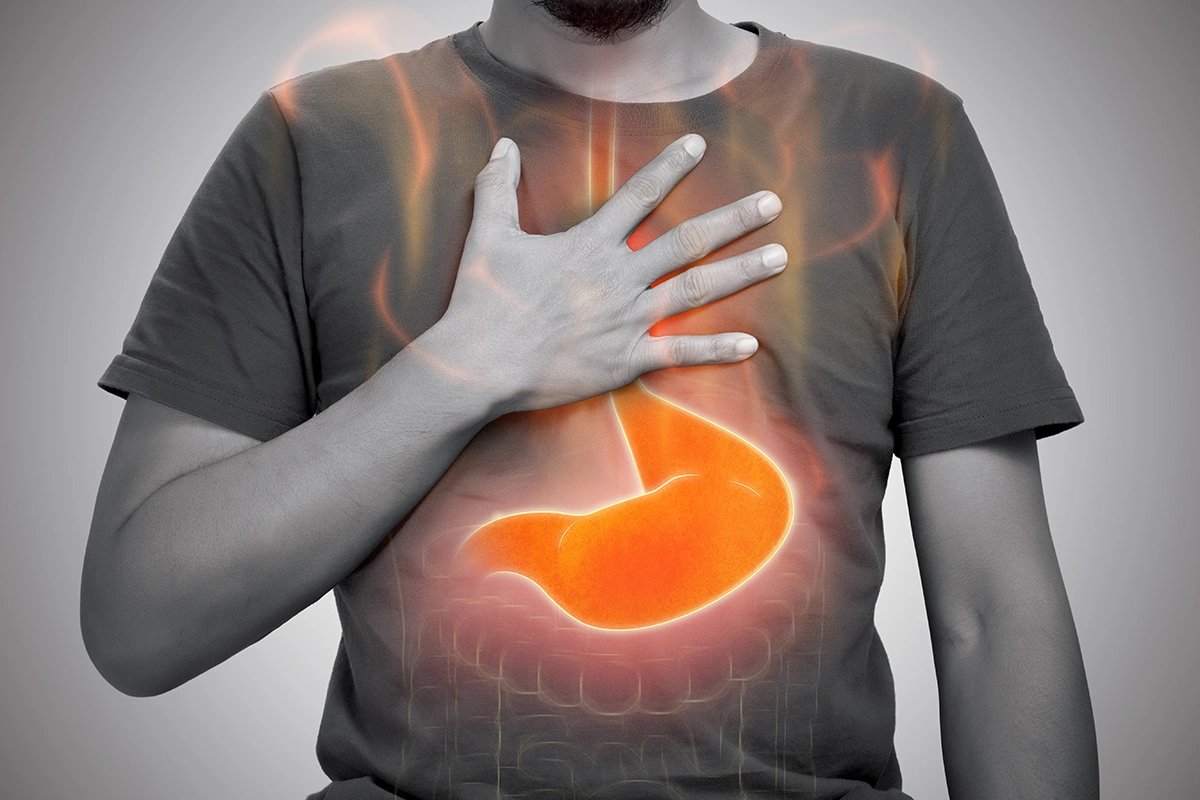

Many people have experienced acid rising into the throat after a meal at least once. It may feel like a burning sensation in the chest or an uncomfortable regurgitation that lingers longer than expected. While an isolated episode after a heavy or spicy meal is common, problems arise when these symptoms begin to occur repeatedly.
When acid reflux becomes frequent and persistent, it may point to gastroesophageal reflux disease, or GERD. Unlike occasional reflux, GERD causes ongoing and constant irritation. Over time, this repeated exposure can lead to inflammation and other complications if left untreated. Recognising when familiar reflux symptoms are happening more often than they should is the first step towards seeking appropriate care.
What Is Gastroesophageal Reflux Disease (GERD)?
Gastroesophageal reflux disease (GERD) is a chronic digestive condition in which stomach acid repeatedly flows back into the oesophagus. The oesophagus is the tube that carries food from the mouth to the stomach. Normally, a ring of muscle at the lower end of the oesophagus, known as the lower oesophageal sphincter, acts as a barrier to prevent stomach contents from moving upwards.
When this muscle weakens or relaxes inappropriately, acid can travel back into the oesophagus and irritate its lining. Over time, this repeated irritation can lead to persistent symptoms and inflammation. Unlike occasional acid reflux that happens once in a while, GERD is characterised by frequent or ongoing symptoms that may require medical evaluation and treatment.
Because GERD affects individuals in different ways, being aware of the most common signs and symptoms can help you better recognise whether you are experiencing a chronic problem.
1. Acid Reflux
Acid reflux is the most common and direct symptom of GERD. It is not a condition by itself. Instead, acid reflux is an occurrence that anyone can experience from time to time, especially after heavy meals or certain trigger foods. It can involve acid regurgitation that leaves a foul taste in your mouth or upper throat.
What distinguishes GERD from occasional reflux is the frequency and persistence of these episodes. When acid reflux happens regularly over weeks or months, it may indicate that the lower oesophageal sphincter is not functioning properly. Repeated exposure to stomach acid can irritate and inflame the lining of the oesophagus and, in some cases, reach the throat, leading to soreness or discomfort. Over time, ongoing acid exposure may result in more significant tissue damage if left untreated.
2. Heartburn
Heartburn is a burning sensation felt in the chest, usually behind the breastbone. It often occurs after eating and may worsen when bending over or lying down. The discomfort can range from mild to severe and may last for several minutes or even hours.
Although heartburn is commonly associated with acid reflux, frequent or intense episodes may signal GERD. Persistent burning in the chest should not be ignored, especially if it disrupts daily activities or sleep.
3. Chronic Cough and Throat Irritation
GERD does not always present with obvious digestive symptoms. In some individuals, stomach acid can travel high enough to irritate the throat and airways. This may lead to a chronic dry cough, frequent throat clearing or a persistent sore throat.
Because these symptoms can resemble respiratory conditions, GERD may not immediately be suspected. If a cough or throat irritation persists without a clear cause, reflux may be a contributing factor.
4. Nausea and Bloating After Meals
Some individuals with GERD experience nausea or a sensation of fullness after eating. Bloating and discomfort in the upper abdomen may accompany reflux episodes. These symptoms can make meals unpleasant and reduce appetite over time.
When nausea and bloating occur regularly alongside other reflux symptoms, it may suggest ongoing irritation of the digestive tract.
5. Regurgitation or Discomfort During Sleep
GERD symptoms often become more noticeable at night or when lying flat. In this position, gravity no longer helps keep stomach contents down, making it easier for acid to flow back into the oesophagus.
As a result, individuals may experience increased heartburn, coughing or throat discomfort during sleep. Nighttime symptoms can disrupt rest and affect overall quality of life if not properly managed.
When GERD Symptoms May Signal a Complication
While many individual symptoms cause discomfort without serious consequences, persistent or worsening symptoms may lead to eventual damage to the throat. Ongoing inflammation of the oesophagus can lead to ulcers, narrowing of the oesophagus known as strictures or changes in the lining of the oesophagus. These changes may increase the risk of more serious conditions over time. Without appropriate treatment, chronic irritation may lead to complications that affect swallowing, nutrition and overall quality of life.
You should seek medical evaluation if you experience:
- Difficulty swallowing or a sensation that food is getting stuck
- Pain when swallowing
- Unexplained weight loss
- Vomiting blood or material that looks like coffee grounds
- Black or tarry stools
- Persistent chest pain, especially if it is severe or different from your usual heartburn
- Recurrent vomiting
- Choking episodes or coughing fits during sleep
Symptoms that do not improve despite lifestyle changes or medication also warrant further assessment. Early diagnosis and management can reduce the risk of long-term damage.
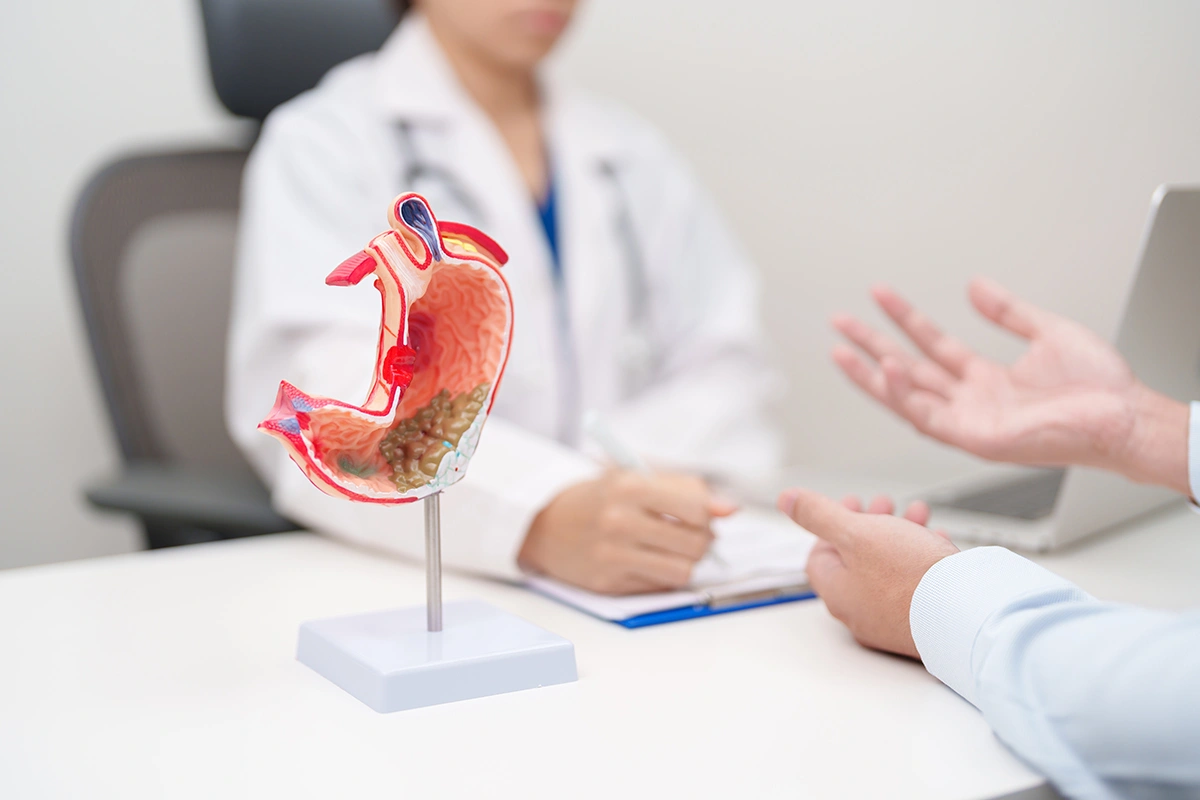
When to See a Doctor for Persistent Reflux Symptoms
Proper treatment of GERD symptoms aims not only to relieve discomfort, but also to protect your oesophagus from permanent damage and prevent recurrence. This may include dietary adjustments, lifestyle modifications and medication tailored to the severity of the condition. Addressing GERD early can help minimise discomfort and reduce the likelihood of long-term complications.
At The Digestive Centre, we focus on identifying and addressing the underlying cause of GERD rather than simply providing temporary relief. Every patient receives a detailed clinical evaluation, followed by a personalised management plan based on their specific condition and symptom pattern. Under the care of senior consultant surgeon Dr Shanker Pasupathy, our approach is careful, evidence-based and centred on achieving lasting control of acid reflux symptoms.
If GERD symptoms are affecting your daily comfort or sleep, seeking early specialist advice can make a meaningful difference. Book an appointment with our clinic to receive a thorough assessment and clear guidance on the next steps for effective treatment.
Meet Our Gastroenterology Specialist in Singapore
Dr Shanker Pasupathy
Senior Consultant Surgeon
MBBS (Singapore), FRCS (Glasgow), FRCS (Edinburgh), FAMS (General Surgery)
Dr Shanker Pasupathy is a highly experienced upper gastrointestinal and bariatric surgeon based in Singapore with broad expertise in digestive, metabolic and minimally invasive surgery. He has undergone advanced training in general, gastrointestinal and vascular surgery in Singapore, Germany, the United Kingdom and France, including a dedicated fellowship in advanced laparoscopy and robotic surgery. Dr Shanker pioneered the laparoscopic sleeve gastrectomy and laparoscopic gastric bypass at the Singapore General Hospital (SGH) in 2008.
Dr Shanker has held senior leadership roles, including Director of the Lifestyle Improvement and Fitness Enhancement Centre and Chief of the Metabolic-Bariatric Surgery Service at Singapore General Hospital, where he helped establish comprehensive metabolic and bariatric surgery services. He is President of the Obesity and Metabolic Surgery Society of Singapore, a member of the American Society for Metabolic and Bariatric Surgery and an international faculty member at the Asian Institute of Telesurgery, Taiwan.
With his depth of experience, Dr Shanker is committed to guiding each patient towards the safest and most effective treatment for their digestive and metabolic health needs.
We offer comprehensive, personalised care for acid reflux and obesity.
Please fill in the form to enquire or book an appointment here. We’ll get back to you as soon as possible.
Mount Elizabeth Hospital3 Mount Elizabeth #12-14 Mount ElizabethMedical Centre Singapore 228510
Tel: +65 6737 5388Whatsapp: +65 8799 2791
Opening Hours:
Mon-Fri: 9am - 5pmSat: 9am - 12.30pmClosed on Sunday & Public Holidays
