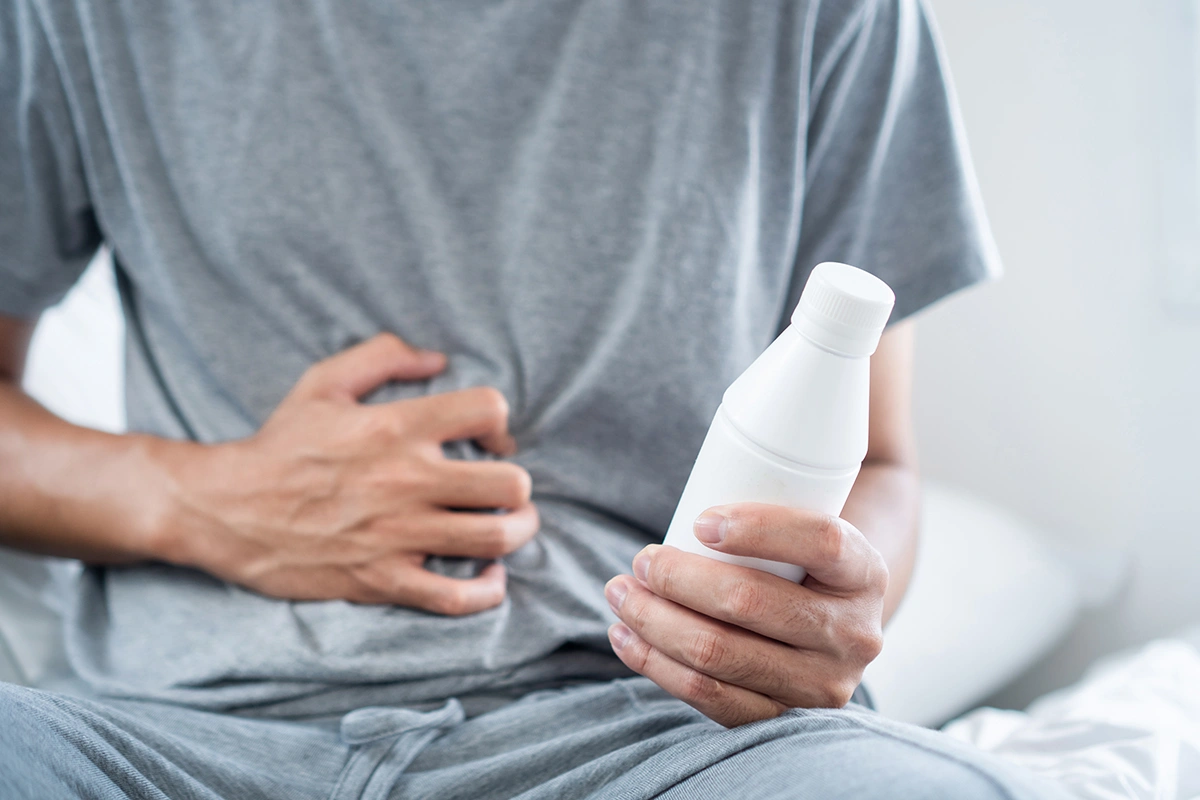

Acid reflux symptoms can be uncomfortable, but if you’re not suffering from chronic symptoms, you might feel well-equipped to deal with them on your own. Many people only experience heartburn after consuming a large meal, a late-night snack or particularly spicy food, and it is common for them to turn to home remedies for quick relief.
Certain home remedies can indeed play a supportive role in reducing mild cases of acid reflux. When applied appropriately, certain lifestyle changes and long-term strategies may also minimise irritation and reduce the frequency of acid reflux episodes.
However, not all remedies are supported by medical evidence, and some may worsen irritation if used improperly. Knowing which strategies are safe, which have evidence behind them and when professional evaluation is needed allows patients to manage acid reflux more effectively, particularly when symptoms are persistent rather than occasional.
What Is Acid Reflux and Why Does It Happen?
Acid reflux occurs when stomach acid flows backwards into the oesophagus. This happens when the lower oesophageal sphincter, the muscular valve that normally prevents backflow, weakens or relaxes inappropriately. As a result, acidic stomach contents rise into the throat and irritate the lining of the oesophagus.
Occasional reflux can occur after overeating or consuming trigger foods. However, when symptoms become frequent or persistent, it may indicate chronic gastroesophageal reflux disease (GERD) that requires medical evaluation.
Common symptoms include:
- Heartburn
- Regurgitation of sour or bitter fluid
- Chest discomfort
- Chronic cough
- Hoarseness or throat irritation
- Difficulty swallowing
Common Home Remedies for Acid Reflux
Most home remedies for acid reflux are preventative rather than reactive. They are designed to reduce the likelihood of symptoms occurring in the first place, instead of providing immediate relief once significant heartburn has already developed.
Acid reflux is largely influenced by eating patterns, body position and underlying physiological factors such as medical conditions. As such, the most effective methods of long-term symptom control usually depend on consistent lifestyle adjustments, rather than on consuming unproven remedies in response to discomfort.
Understanding this distinction is important before trying out specific methods that could make your symptoms worse. Some useful home remedies are:
Avoiding Trigger Food and Beverages
Certain foods and drinks can worsen acid reflux by either increasing stomach acid production, relaxing the lower oesophageal sphincter or irritating the oesophageal lining. Items that are highly acidic, spicy, rich in fat or strongly flavoured may aggravate symptoms. Beverages that contain caffeine, alcohol or carbonation may also contribute to discomfort by increasing acid exposure or abdominal pressure.
Foods:
- Spicy foods
- Tomatoes and tomato-based products
- Citrus fruits
- Chocolate
- Mint
- Garlic
- Onions
- Fatty or fried foods
Drinks:
- Caffeinated beverages
- Alcohol
- Carbonated drinks
Eating Smaller Meals
Consuming large amounts of food will increase pressure within the stomach, making reflux more likely. Eating smaller portions reduces gastric distension and lowers the chance of acid flowing back into the oesophagus.
Spacing meals evenly throughout the day rather than consuming heavy meals may help minimise symptoms. Avoiding late-night eating is also beneficial, as lying down soon after a large meal can place pressure on the stomach and increase reflux risk.
Avoiding Smoking
Smoking weakens the lower oesophageal sphincter and reduces the body’s ability to clear acid from the oesophagus. It may also stimulate acid production.
Quitting smoking can reduce the frequency and severity of reflux episodes while improving overall digestive and cardiovascular health.
Elevating Head While Sleeping
Reflux symptoms often worsen at night due to prolonged periods of lying flat. Elevating the head of the bed can allow gravity to keep your stomach acid in place, preventing backflow up the oesophagus.
Raising the upper body by approximately 15–20 cm is generally more effective than using additional pillows for your head, which may increase abdominal pressure if positioned incorrectly.
Maintaining a Healthy Weight
Excess abdominal weight increases pressure on the stomach and promotes reflux. Sustained weight reduction in overweight individuals has been shown to reduce the impact of acid reflux.
Weight management supports long-term reduction in reflux frequency and lowers the risk of complications associated with chronic GERD.
Home Remedies to Avoid When Dealing with Acid Reflux
While certain lifestyle changes are supported by medical evidence, many commonly promoted home remedies are not. These methods often lack scientific validation and may be based on misconceptions about how acid reflux develops. They can cause even greater discomfort and irritation, especially in patients who are suffering from severe symptoms.
Apple Cider Vinegar
Apple cider vinegar is frequently recommended online as a reflux remedy, based on the belief that symptoms are caused by low stomach acid. However, this is untrue. Acid reflux is typically a result of mechanical dysfunction of the lower oesophageal sphincter rather than insufficient acid production.
Consuming vinegar introduces additional acid into an already irritated oesophagus, which may worsen burning sensations and cause further throat irritation. On top of that, the acid can erode your tooth enamel when you drink it. There is currently no strong clinical evidence supporting the effectiveness of apple cider vinegar in treating GERD.
Baking Soda
Baking soda is another commonly suggested home remedy. The logic behind the idea is that baking soda is alkaline, and can neutralise stomach acid. While this can provide rapid and short-lived relief from heartburn, the effects are only temporary.
A concern with frequent use is an effect known as acid rebound. When stomach acid is suddenly neutralised, the body may respond by increasing gastrin secretion, a hormone that stimulates further acid production. As the neutralising effect of baking soda wears off, the stomach may produce even more acid than before, potentially worsening symptoms. This cycle can lead to repeated dosing and dependency on short-term relief.
In addition, baking soda contains significant amounts of sodium. Regular consumption may contribute to fluid retention, elevated blood pressure and electrolyte imbalance, particularly in individuals with cardiovascular or kidney conditions.
When Should I See a Doctor for Acid Reflux?
Occasional heartburn can often be managed with lifestyle adjustments. However, persistent or worsening symptoms should not be treated with home remedies alone. Frequent reflux may indicate chronic GERD, which can lead to complications if left untreated.
Medical evaluation is recommended if symptoms occur more than twice per week, disrupt sleep or daily activities or persist despite lifestyle changes. Warning signs such as difficulty swallowing, unexplained weight loss, ongoing chest pain, chronic cough or voice changes also require prompt assessment.
Leaving GERD unattended can lead to:
- Chronic oesophagitis or persistent inflammation of the oesophageal lining
- Oesophageal ulcers, which may cause pain or bleeding
- Oesophageal strictures, leading to narrowing and difficulty swallowing
- Barrett’s oesophagus, a precancerous change in the oesophageal lining
- Increased risk of oesophageal adenocarcinoma
Early diagnosis allows for appropriate investigation and targeted treatment, reducing the risk of long-term oesophageal damage.
Common Acid Reflux Treatment Options
Gastroenterological specialists will typically provide several treatment options for chronic acid reflux. The specific type of treatment depends on the severity of symptoms, your body’s response to medication and the underlying structure of your throat.
Medication
Non-surgical management typically begins with medication. Options include:
- Antacids: Medication that neutralises existing stomach acid and provides short-term relief
- H2 receptor blockers: A type of medication which reduces acid production
- Proton pump inhibitors (PPIs): Medicine that effectively suppresses acid production and allow oesophageal healing
These medications are commonly prescribed for moderate to severe GERD and may be used short-term or long-term under medical supervision.
Endoscopic Treatment
For selected patients who do not respond adequately to medication but wish to avoid surgery, certain endoscopic procedures such as the LINX procedure may be considered. These minimally invasive techniques aim to improve the function of the lower oesophageal sphincter without external incisions.
Surgical Treatment
Surgery may be recommended for patients with severe reflux, complications such as strictures or Barrett’s oesophagus or those who require long-term medication without adequate symptom control.
The most established procedure is laparoscopic fundoplication, where the upper portion of the stomach is wrapped around the lower oesophagus to strengthen the valve mechanism and prevent reflux. This is performed using minimally invasive techniques and typically requires small incisions to be made in the abdomen. Through this technique, the effects of GERD may be reduced.
Professional Treatment for Acid Reflux
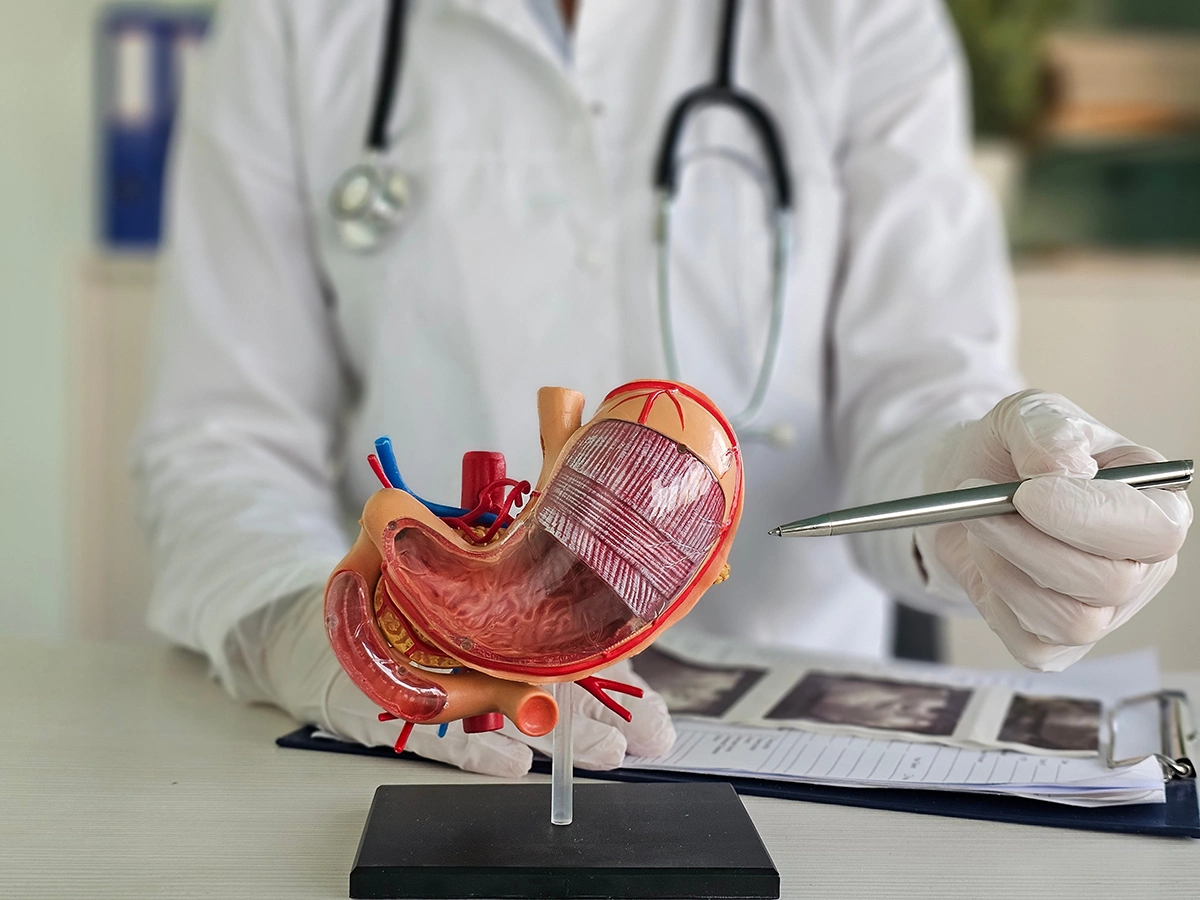
Home remedies can help reduce mild and occasional symptoms, but they are not always enough to control persistent or severe acid reflux. When symptoms become frequent, disrupt daily life or continue despite lifestyle adjustments, it is important to seek medical evaluation rather than relying on temporary relief measures. Early assessment allows for accurate diagnosis, appropriate investigation and a tailored treatment plan that may include medication, endoscopic therapy or surgery where necessary.
At The Digestive Centre, our priority lies in identifying and addressing the underlying causes of your acid reflux rather than managing symptoms as they arise. Under the care of senior consultant surgeon Dr Shanker Pasupathy, patients receive a structured, evidence-based evaluation and personalised treatment approach aimed at achieving safe and durable symptom control.
If acid reflux is affecting your comfort, sleep or quality of life, timely specialist consultation may help prevent progression and long-term complications. Contact us today to arrange an appointment and discuss the most appropriate next steps for your condition.
Meet Our Gastroenterology Specialist in Singapore
Dr Shanker Pasupathy
Senior Consultant Surgeon
MBBS (Singapore), FRCS (Glasgow), FRCS (Edinburgh), FAMS (General Surgery)
Dr Shanker Pasupathy is a highly experienced upper gastrointestinal and bariatric surgeon based in Singapore with broad expertise in digestive, metabolic and minimally invasive surgery. He has undergone advanced training in general, gastrointestinal and vascular surgery in Singapore, Germany, the United Kingdom and France, including a dedicated fellowship in advanced laparoscopy and robotic surgery. Dr Shanker pioneered the laparoscopic sleeve gastrectomy and laparoscopic gastric bypass at the Singapore General Hospital (SGH) in 2008.
Dr Shanker has held senior leadership roles, including Director of the Lifestyle Improvement and Fitness Enhancement Centre and Chief of the Metabolic-Bariatric Surgery Service at Singapore General Hospital, where he helped establish comprehensive metabolic and bariatric surgery services. He is President of the Obesity and Metabolic Surgery Society of Singapore, a member of the American Society for Metabolic and Bariatric Surgery and an international faculty member at the Asian Institute of Telesurgery, Taiwan.
With his depth of experience, Dr Shanker is committed to guiding each patient towards the safest and most effective treatment for their digestive and metabolic health needs.
We offer comprehensive, personalised care for acid reflux and obesity.
Please fill in the form to enquire or book an appointment here. We’ll get back to you as soon as possible.
Mount Elizabeth Hospital3 Mount Elizabeth #12-14 Mount ElizabethMedical Centre Singapore 228510
Tel: +65 6737 5388Whatsapp: +65 8799 2791
Opening Hours:
Mon-Fri: 9am - 5pmSat: 9am - 12.30pmClosed on Sunday & Public Holidays