





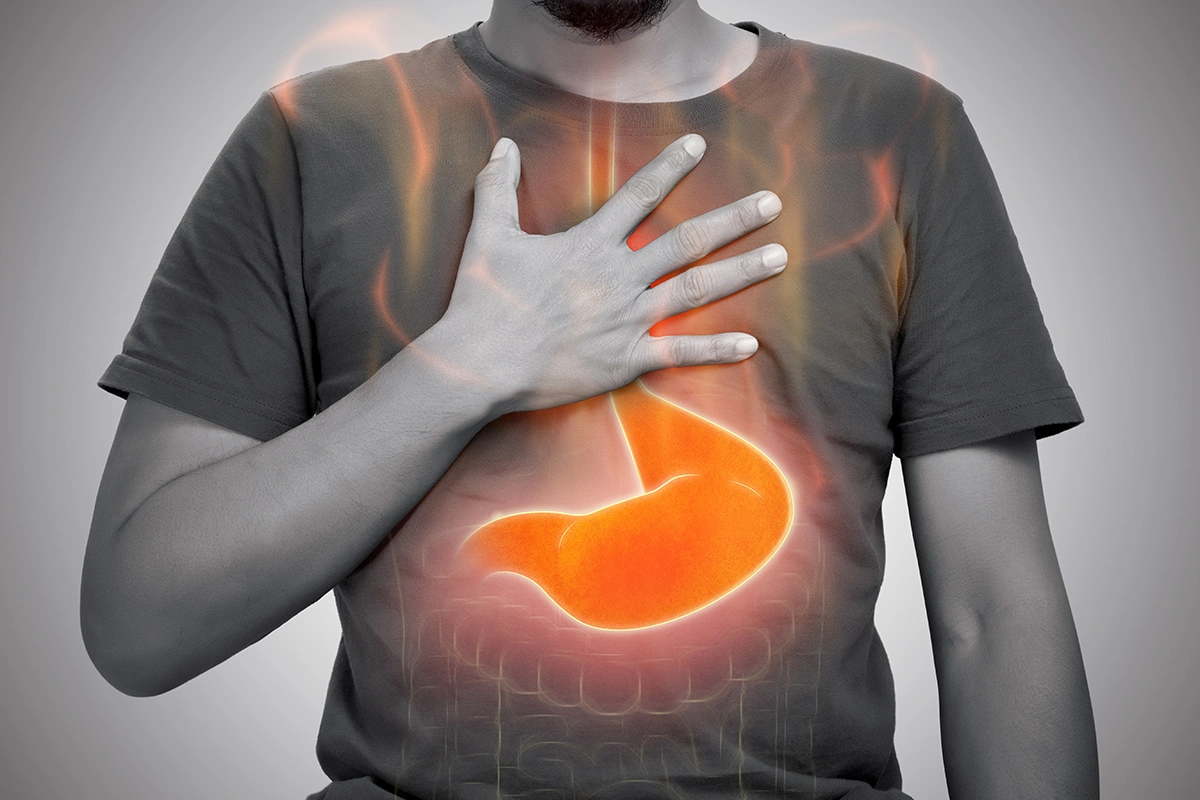

If you have been dealing with ongoing reflux symptoms that do not improve with medication, you may have come across surgical options such as fundoplication and the LINX procedure. Deciding between these treatments can feel overwhelming, especially when both aim to address the same underlying issue but involve different approaches.
Understanding how each procedure works, along with their potential benefits and considerations, can help you make a more informed decision. Factors such as symptom severity, lifestyle preferences and overall health all play a role in determining which option may be more suitable. By comparing fundoplication and LINX more closely, you can better understand what to expect and discuss the most appropriate treatment plan with your doctor.
What Are Fundoplication Surgery and the LINX Procedure?
Fundoplication surgery and the LINX procedure are both treatment options for gastroesophageal reflux disease (GERD), particularly when symptoms persist despite medications and lifestyle changes. While both aim to reduce acid reflux, they work in different ways.
Fundoplication surgery involves wrapping the upper part of the stomach (the fundus) around the lower end of the oesophagus. This strengthens the lower oesophageal sphincter, helping to prevent stomach acid from flowing back into the oesophagus. It is typically performed using minimally invasive (laparoscopic) techniques.
The LINX procedure uses a small ring of magnetic beads that is placed around the lower oesophagus. The magnetic attraction helps keep the sphincter closed to prevent reflux, while still allowing it to open when swallowing food or liquids.
Key Differences Between Fundoplication and LINX Procedure
While both fundoplication surgery and the LINX procedure aim to reduce acid reflux, they differ in how they are performed, how they function and what patients can expect after treatment.
Surgical approach
Fundoplication involves wrapping part of the stomach around the oesophagus to reinforce the valve, while LINX involves placing a small magnetic device around the oesophagus without altering the stomach's anatomy.
Reversibility
Fundoplication is generally intended as a durable surgical repair, whereas the LINX device may be removed in selected cases if needed.
Effect on normal functions
Fundoplication may limit the ability to belch or vomit in some patients, while LINX is designed to preserve these natural functions.
Recovery and adjustment
Recovery from both procedures is often shorter when performed using minimally invasive techniques, although the timeline varies between patients.
Long-term considerations
Fundoplication has a long track record with established outcomes, while LINX is a newer option that offers a less invasive alternative for selected patients.
Benefits and Limitations of Fundoplication and LINX
While both fundoplication and the LINX procedure are designed to improve oesophageal valve function, they differ in their advantages and potential trade-offs. Each option comes with its own set of benefits and limitations, which can influence suitability depending on individual needs and expectations.
Procedure | Benefits | Limitations |
Fundoplication | Well-established with long-term outcomesEffective for more severe refluxCan address hiatal hernia | May cause bloating or difficulty belchingSwallowing discomfort during recoveryLess easily reversible |
LINX Procedure | Minimally invasivePreserves natural anatomyAllows more normal belching and vomitingFaster recovery in many cases | Not suitable for all patientsInvolves implanted deviceTemporary swallowing discomfort possible |
Fundoplication vs. LINX Procedure: Which Is Right for You?
Your doctor will consider the severity of your GERD symptoms, including how often they occur and how well they respond to medications. Patients with more severe or longstanding reflux may be better suited for certain surgical options.
Diagnostic tests also play a key role. Investigations such as endoscopy, pH monitoring and oesophageal manometry help assess the structure and function of the oesophagus, ensuring that the chosen procedure is appropriate and safe.
In addition, factors such as your overall health, anatomy and lifestyle preferences are taken into account. Some patients may prioritise preserving natural functions, while others may benefit more from a more established surgical approach.

Specialist Care for Both Fundoplication and LINX Procedures
Choosing between fundoplication surgery and the LINX procedure depends on your symptoms, lifestyle and the severity of your condition. While both treatments aim to provide long-term relief from acid reflux, the most suitable option varies from patient to patient. A thorough evaluation by a specialist can help you determine the best approach for effective and lasting results.
Digestive Centre focuses on accurate diagnosis and personalised management of conditions such as GERD and related disorders to achieve effective, long-term relief. Patients are under the trusted care of Dr Shanker Pasupathy, who is fellowship-trained and has extensive experience in advanced laparoscopic and robotic surgery, including the LINX procedure and fundoplication surgery. If you are experiencing persistent reflux symptoms or related concerns, seek specialist evaluation for a tailored treatment plan to support your recovery and long-term digestive health.
FAQs About Fundoplication and LINX Procedures

Your Dedicated Specialist
Dr Shanker Pasupathy
Upper Gastrointestinal & Bariatric Surgeon
MBBS, National University of Singapore
Fellow of the Royal College of Surgeons (Glasgow)
Fellow of the Royal College of Surgeons (Edinburgh)
Dr Shanker Pasupathy is the Medical Director of the Digestive Centre at Mount Elizabeth Hospital and a recognised key opinion leader in gastro-oesophageal reflux, hernia and metabolic disease management. He has extensive international training in gastrointestinal endoscopy, laparoscopy and robotic surgery, with experience gained in the UK, France and Germany.
Prior to private practice, he was Director of the LIFE Centre and Senior Consultant at Singapore General Hospital, where he led the metabolic-bariatric surgery service. Dr Shanker is actively involved in training healthcare professionals across the region and was awarded the Dean’s Award for teaching excellence from NUS Medicine. He also holds leadership positions in regional surgical societies and is a member of the American Society for Metabolic and Bariatric Surgery (ASMBS).
We offer comprehensive, personalised care for acid reflux and obesity.
Please fill in the form to enquire or book an appointment here. We’ll get back to you as soon as possible.
Mount Elizabeth Hospital3 Mount Elizabeth #12-14 Mount ElizabethMedical Centre Singapore 228510
Tel: +65 6737 5388Whatsapp: +65 8799 2791
Opening Hours:
Mon-Fri: 9am - 5pmSat: 9am - 12.30pmClosed on Sunday & Public Holidays
