

Before deciding on a weight loss procedure, it is important to understand how the available options differ and which may be suitable for your individual health needs. Both ESG (Endoscopic Sleeve Gastroplasty) and bariatric surgery are established approaches to managing obesity, but they differ in how they are performed, the amount of weight loss they typically achieve and the patients they are intended for. Rather than viewing one option as universally better, the choice depends on factors such as body mass index (BMI), obesity-related medical conditions, treatment goals and overall health.
For individuals exploring bariatric treatment in Singapore, understanding these differences can facilitate more informed discussions with a bariatric specialist and help set realistic expectations. Comparing ESG and bariatric surgery side by side provides a clearer picture of when each procedure may be recommended, how specialists assess suitability and what to expect when considering a personalised weight management plan.
Key Takeaways
- ESG and bariatric surgery both support long-term weight loss but they differ in how they are performed, expected outcomes and recovery.
- ESG is a minimally invasive endoscopic procedure, while bariatric surgery permanently alters the stomach and sometimes the small intestine.
- The most suitable treatment depends on individual factors, including BMI, obesity-related health conditions, previous weight-loss attempts and personal goals.
- Neither procedure is universally better. A comprehensive assessment helps determine which option best matches your clinical needs.
- Long-term success requires ongoing lifestyle changes and regular follow-up, regardless of whether you undergo ESG or bariatric surgery.
What Are ESG and Bariatric Surgery?
Endoscopic Sleeve Gastroplasty (ESG) and bariatric surgery are weight loss procedures for individuals with obesity when lifestyle changes alone have not achieved sufficient results. While both support weight management by reducing stomach capacity, they differ in technique, expected outcomes and the patients they may be suitable for. Understanding how these procedures differ can help patients explore suitable bariatric treatment options in Singapore.
What Is ESG?
- ESG is a minimally invasive endoscopic procedure that uses internal sutures to reduce the size of the stomach without external incisions or removing any stomach tissue.
What Is Bariatric Surgery?
- Bariatric surgery involves surgically altering the stomach, and sometimes the small intestine.
- Common procedures include sleeve gastrectomy (bariatric sleeve surgery), which removes part of the stomach, and gastric bypass, which creates a small stomach pouch and reroutes part of the small intestine.
Long-term success with either procedure relies on ongoing dietary changes, regular physical activity and follow-up care.
Comparing ESG vs Bariatric Surgery
Both ESG and bariatric surgery procedures are established forms of bariatric treatment in Singapore, but they differ in several important ways.
| Factor | ESG | Bariatric Surgery |
|---|---|---|
| Procedure | Endoscopic sutures reduce stomach size without incisions | Laparoscopic surgery uses small abdominal incisions to permanently alter the digestive anatomy |
| Invasiveness | Minimally invasive with no external incisions or removal of stomach tissue | More invasive with permanent surgical changes to the digestive system |
| Recovery time | Many patients resume normal daily activities within a few days | Many patients return to normal daily activities within one to several weeks, depending on the procedure |
| Expected weight loss | Significant weight loss when combined with lifestyle changes, though results vary between individuals | Typically results in greater average weight loss and may provide more durable outcomes for individuals with severe obesity |
| Eligibility | May be considered for selected individuals seeking a less invasive option or those who do not meet the criteria for bariatric surgery | Often recommended for individuals with a higher BMI or obesity-related conditions |
| Risks | Bleeding, infection, stomach injury and temporary nausea or abdominal discomfort | Bleeding, infection, leaks, nutritional deficiencies and other surgical risks |
| Long-term care | Ongoing healthy lifestyle habits and follow-up appointments | Lifelong dietary changes, nutritional monitoring and specialist follow-up appointments |
These differences provide a useful overview but the most appropriate treatment is determined after a comprehensive assessment by a bariatric specialist.
When Specialists Recommend ESG or Bariatric Surgery
There is no one-size-fits-all approach to obesity treatment. A bariatric specialist recommends the most appropriate treatment after evaluating your overall health, medical history and weight loss goals.
Factors Specialists Consider
Several factors influence whether ESG or bariatric surgery may be recommended, including:
- BMI and the severity of obesity
- Obesity-related medical conditions, such as type 2 diabetes, hypertension or obstructive sleep apnoea
- Previous weight-loss attempts, including lifestyle modifications and medical management
- Surgical risk, based on age, overall health and other medical conditions
- Personal preferences and treatment goals, including recovery expectations and long-term lifestyle changes
ESG may be suitable for individuals seeking a less invasive procedure or who do not meet the criteria for bariatric surgery. Bariatric surgery may be recommended for those with more severe obesity or obesity-related health conditions where greater weight loss is beneficial. The most appropriate treatment is determined through a tailored assessment based on the individual's clinical needs and long-term goals.

Choosing the Right Bariatric Treatment with Dr Shanker
ESG and bariatric surgery each have a role in obesity management, with the most appropriate option depending on an individual's clinical profile and treatment goals. They differ in how they are performed, the amount of weight loss they typically achieve, recovery time and the patients they may be suitable for. A comprehensive consultation helps determine which approach is most appropriate based on your overall health and long-term weight management goals.
At the Digestive Centre, we work closely with patients throughout their weight management journey. Our senior consultant surgeon, Dr Shanker Pasupathy, develops treatment plans based on each patient's clinical needs and guides patients through every stage of the decision-making process, whether considering ESG or bariatric surgery. Book an appointment for a comprehensive assessment and a customised treatment plan.
FAQs About Choosing Between ESG and Bariatric Surgery
Can ESG be converted to bariatric surgery later if I do not lose enough weight?
Yes, ESG does not prevent you from undergoing bariatric surgery in the future if additional treatment is needed. If weight loss is insufficient or weight is regained despite appropriate lifestyle changes and follow-up, a bariatric specialist can reassess your condition and discuss whether a surgical procedure may be beneficial.
Will I need to take vitamin supplements after ESG or bariatric surgery?
The need for supplements depends on the procedure performed. Patients who undergo bariatric surgery, particularly gastric bypass, are more likely to require lifelong vitamin and mineral supplementation due to changes in nutrient absorption. ESG generally has a lower risk of nutritional deficiencies, although your doctor may still recommend supplements based on your diet and nutritional status.
How soon can I return to work after ESG or bariatric surgery?
Recovery varies depending on the individual and the procedure. Many patients return to desk-based work within a few days after ESG, while recovery after bariatric surgery may take one to several weeks. Your specialist will advise you based on your occupation, recovery progress and the type of procedure performed.
What happens if I regain weight after my procedure?
Weight gain can occur if recommended dietary habits, physical activity and follow-up care are not maintained. If this happens, your bariatric specialist will assess the underlying reasons and may recommend nutritional counselling, behavioural support, medication or further treatment where appropriate.
How often will I need follow-up appointments after ESG or bariatric surgery?
Regular follow-up appointments are an important part of long-term success after either procedure. Initially, visits are usually more frequent to monitor recovery, weight loss and nutritional status. As your progress stabilises, appointments may become less frequent but periodic reviews remain important to support sustained weight management and address any concerns early.
Our Upper Gastrointestinal & Bariatric Surgeon in Singapore
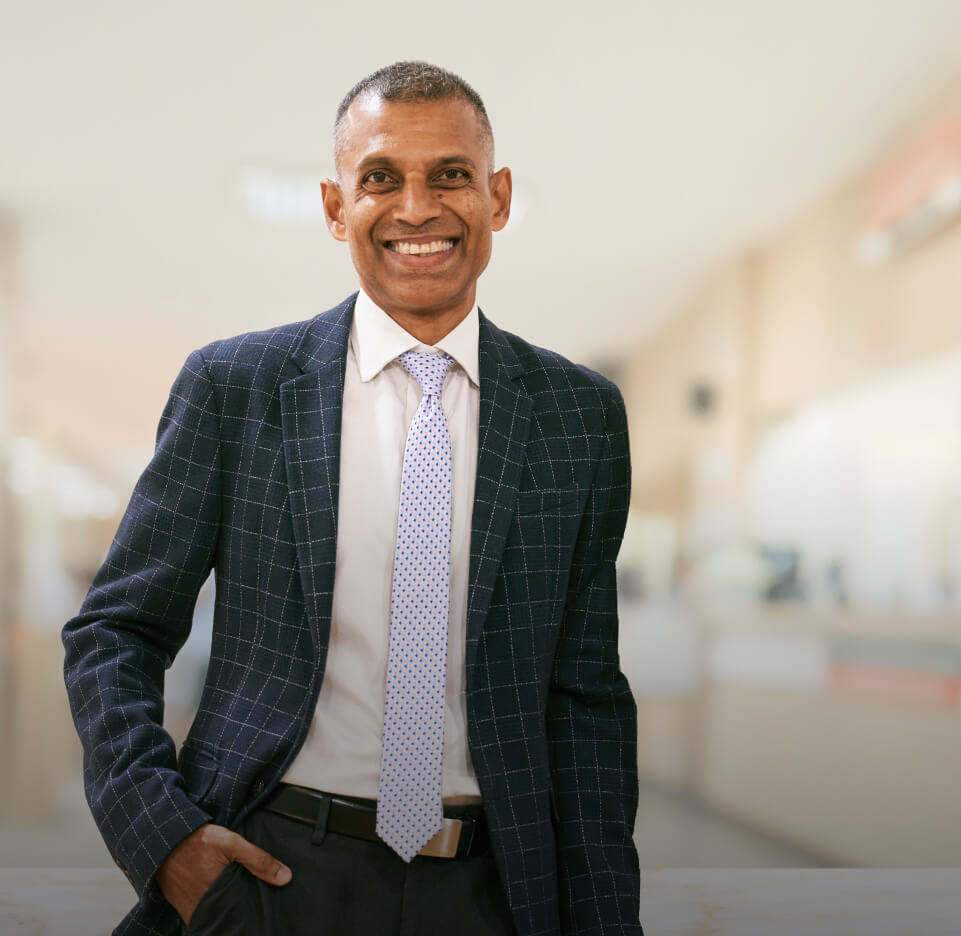
Dr Shanker Pasupathy
Upper Gastrointestinal & Bariatric Surgeon
MBBS, National University of Singapore
Fellow of the Royal College of Surgeons (Glasgow)
Fellow of the Royal College of Surgeons (Edinburgh)
Dr Shanker Pasupathy is the Medical Director of the Digestive Centre at Mount Elizabeth Hospital and a recognised key opinion leader in gastro-oesophageal reflux, hernia and metabolic disease management. He has extensive international training in gastrointestinal endoscopy, laparoscopy and robotic surgery, with experience gained in the UK, France and Germany.
Prior to private practice, he was Director of the LIFE Centre and Senior Consultant at Singapore General Hospital, where he led the metabolic-bariatric surgery service. Dr Shanker is actively involved in training healthcare professionals across the region and was awarded the Dean’s Award for teaching excellence from NUS Medicine. He also holds leadership positions in regional surgical societies and is a member of the American Society for Metabolic and Bariatric Surgery (ASMBS).
We offer comprehensive, personalised care for acid reflux and obesity.
Please fill in the form to enquire or book an appointment here. We’ll get back to you as soon as possible.
Mount Elizabeth Hospital3 Mount Elizabeth #12-14 Mount ElizabethMedical Centre Singapore 228510
Tel: +65 6737 5388Whatsapp: +65 8799 2791
Opening Hours:
Mon-Fri: 9am - 5pmSat: 9am - 12.30pmClosed on Sunday & Public Holidays