





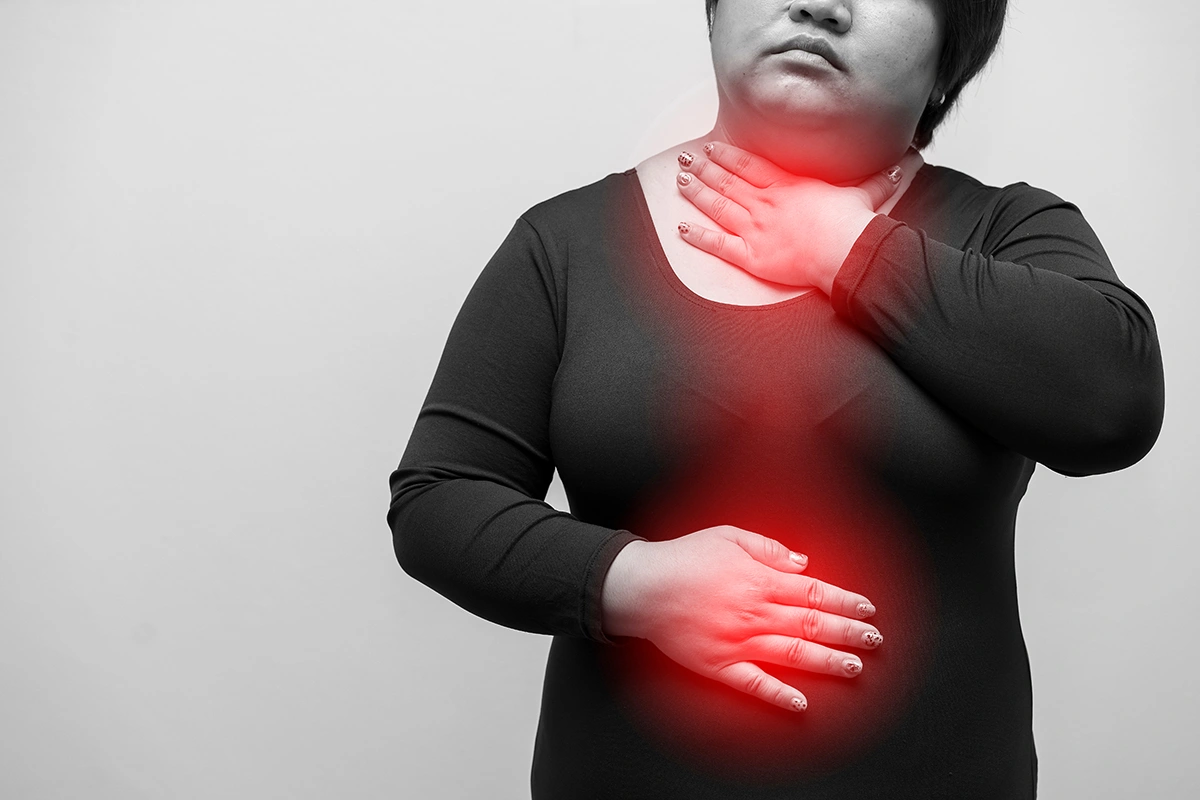

Heartburn is a common symptom of acid reflux, manifesting as a burning sensation in the chest. This pain is caused by stomach acid flowing up into the oesophagus, which is the part of the throat that connects the stomach to the mouth.
Under normal circumstances, a ring of muscle known as the lower oesophageal sphincter prevents stomach acid from coming back up. However, when this muscle weakens or relaxes at the wrong time, acid can flow in the opposite direction, causing heartburn and acid reflux.
Many common myths and misconceptions surround the causes of heartburn, as well as its treatment methods. It is important to separate fact from fiction so that you can establish the correct priorities regarding its severity and treatment options.
Myth #1: Heartburn is a Heart Condition
The term heartburn can be misleading. While the discomfort is felt in the chest, heartburn is not a condition of the heart. It is a digestive issue caused by irritation of the oesophagus by stomach acid. The burning sensation is usually felt behind the breastbone and may worsen after meals, when lying down or when bending forward. The confusion arises because the oesophagus sits close to the heart, so the pain is felt in a similar area.
When heartburn happens occasionally, it may simply be triggered by certain foods or large meals. However, when symptoms occur repeatedly, typically more than twice a week, it may indicate gastroesophageal reflux disease (GERD). GERD is a chronic condition that can lead to ongoing inflammation of the oesophagus if left unmanaged.
Myth #2: Heartburn Is Caused by Too Much Stomach Acid
Many people assume that heartburn happens because the body produces excessive stomach acid. In reality, the issue is usually not the amount of acid, but the fact that it is travelling upwards.
Heartburn occurs when acid flows backwards into the oesophagus due to weakness or inappropriate relaxation of the lower oesophageal sphincter. Even a small amount of stomach acid can cause significant discomfort if it repeatedly flows back into the oesophagus.
In patients with GERD, the problem lies in the function of this valve mechanism rather than acid overproduction alone. This is why simply trying to reduce acid production without addressing reflux triggers and lifestyle factors may not fully control symptoms.
Myth #3: Heartburn Only Affects Those With Poor Diets and Lifestyles
Diet can indeed play a role in triggering symptoms, but it is rarely the sole cause. It is generally true that fatty meals, spicy food, caffeine, chocolate and alcohol may worsen reflux in some individuals. However, heartburn is influenced by more than just what you eat.
Exercise habits, body weight, meal timing, portion size and even clothing that increases abdominal pressure can contribute to reflux. Lying down soon after eating or having large late-night meals may also increase the likelihood of symptoms.
It is also a misconception that heartburn only affects people with poor diets or unhealthy lifestyles. Anyone can develop heartburn if they are suffering from GERD, including individuals who eat well and maintain an active lifestyle. While healthy habits can reduce risk, they do not completely eliminate the possibility of uncomfortable acid reflux. Heartburn is a medical condition related to how the oesophageal sphincter functions, not simply a reflection of dietary choices.
Myth #4: Heartburn Can Be Cured With Home Remedies
Many people turn to home remedies such as drinking milk, herbal teas or taking baking soda to relieve heartburn. While some of these methods may provide temporary soothing, they do not treat the underlying cause of reflux.
In some cases, certain remedies may even be counterproductive. For example, milk may briefly coat the oesophagus but can later stimulate further acid production. Similarly, repeated use of alkaline substances may disrupt the natural balance within the stomach.
Temporary relief is not the same as a cure. If heartburn is recurrent, the focus should be on identifying triggers, improving reflux control and addressing possible GERD rather than relying solely on short-term soothing measures.
Myth #5: Heartburn Is Only Serious When It Happens Regularly
Frequent heartburn is a hallmark sign of GERD, but symptoms do not need to occur daily to matter. Even intermittent episodes can indicate underlying reflux, especially if they recur over months or years.
Some patients experience symptoms only after certain triggers, during periods of stress or at night. Others may notice increasing intensity over time. Occasional symptoms that gradually become more frequent can signal progression towards chronic reflux disease.
Heartburn should not be assessed purely by how often it happens. The pattern, duration and impact on daily life are equally important. Persistent or recurring symptoms warrant proper evaluation to prevent ongoing irritation of the oesophagus.
What Happens if Heartburn Is Left Unattended?
Occasional heartburn may seem possible to deal with on a case-by-case basis. However, if reflux becomes persistent, it can lead to complications and the formation of other gastrointestinal conditions over time. Ongoing exposure of the oesophagus to stomach acid can cause progressive damage if it is not properly managed. Potential complications include:
- Chronic oesophagitis: Persistent inflammation of the oesophageal lining caused by repeated exposure to stomach acid. This may result in ongoing chest discomfort, burning pain or difficulty swallowing.
- Oesophageal ulcers: Open sores that develop in the oesophagus due to prolonged acid irritation. Ulcers may cause significant pain, painful swallowing or bleeding in more severe cases.
- Oesophageal strictures: Narrowing of the oesophagus caused by scar tissue formation after repeated inflammation and healing. Patients may experience food getting stuck in the chest or progressive difficulty swallowing solid food.
- Barrett’s oesophagus: A precancerous change in the lining of the oesophagus that occurs after long-term acid exposure. While the overall cancer risk remains low, this condition requires medical monitoring.
What Actually Helps: Evidence-Based Ways to Manage Heartburn
Effective management focuses on reducing the onset of heartburn, instead of attempting to react to each instance. Some helpful methods are:
- Meal modification: Eating smaller portions, avoiding large and heavy meals and not lying down for 2–3 hours after eating can reduce reflux.
- Weight management: Maintaining a healthy weight helps lower abdominal pressure, which can decrease the likelihood of acid travelling upwards.
- Trigger awareness: Identifying and moderating personal trigger foods such as fatty meals, caffeine, chocolate or alcohol may reduce symptom frequency.
- Specialist evaluation when needed: Patients with persistent, severe or treatment-resistant symptoms may require further assessment to determine the most appropriate long-term strategy. A gastrointestinal specialist may be able to prescribe them with medication and suggest surgical solutions.
- Medical therapy: H2 receptor blockers and proton pump inhibitors reduce acid production and allow inflamed tissue to heal. These should be used under medical guidance, especially for long-term treatment.
- Surgical management for selected cases: For patients with severe GERD who do not respond adequately to medication or who prefer a long-term solution, anti-reflux surgery may be considered. Procedures such as laparoscopic fundoplication aim to strengthen the lower oesophageal sphincter and prevent acid reflux. Surgical options are typically reserved for carefully selected patients after thorough evaluation.
A structured, individualised approach is key. Managing heartburn effectively involves more than temporary relief. It requires addressing the underlying reflux mechanism to reduce recurrence and prevent complications.

Seeking Professional Care for Heartburn Symptoms
Misconceptions about heartburn can create confusion, delay proper diagnosis and interfere with a patient’s desire to seek treatment. These myths can lead individuals to form the impression that heartburn is always harmless, purely diet-related or something that can be permanently resolved with simple home remedies.
Understanding what heartburn truly represents empowers you to make informed decisions about your health. Recognising patterns in your symptoms, knowing when they are becoming more frequent or severe and being aware of potential complications are important steps towards protecting your oesophageal health.
At The Digestive Centre, we focus on identifying and treating the root cause of heartburn and GERD rather than providing temporary relief alone. Under the care of senior consultant surgeon Dr Shanker Pasupathy, patients undergo a structured, evidence-based evaluation followed by a personalised management plan designed to achieve safe and sustainable symptom control.
If persistent heartburn or GERD is affecting your comfort, sleep or overall quality of life, seeking timely specialist assessment may reduce the risk of progression and long-term complications. Contact us today to arrange a consultation and discuss the most appropriate next steps for your condition.
Meet Our Gastroenterology Specialist in Singapore
Dr Shanker Pasupathy
Senior Consultant Surgeon
MBBS (Singapore), FRCS (Glasgow), FRCS (Edinburgh), FAMS (General Surgery)
Dr Shanker Pasupathy is a highly experienced upper gastrointestinal and bariatric surgeon based in Singapore with broad expertise in digestive, metabolic and minimally invasive surgery. He has undergone advanced training in general, gastrointestinal and vascular surgery in Singapore, Germany, the United Kingdom and France, including a dedicated fellowship in advanced laparoscopy and robotic surgery. Dr Shanker pioneered the laparoscopic sleeve gastrectomy and laparoscopic gastric bypass at the Singapore General Hospital (SGH) in 2008.
Dr Shanker has held senior leadership roles, including Director of the Lifestyle Improvement and Fitness Enhancement Centre and Chief of the Metabolic-Bariatric Surgery Service at Singapore General Hospital, where he helped establish comprehensive metabolic and bariatric surgery services. He is President of the Obesity and Metabolic Surgery Society of Singapore, a member of the American Society for Metabolic and Bariatric Surgery and an international faculty member at the Asian Institute of Telesurgery, Taiwan.
With his depth of experience, Dr Shanker is committed to guiding each patient towards the safest and most effective treatment for their digestive and metabolic health needs.
We offer comprehensive, personalised care for acid reflux and obesity.
Please fill in the form to enquire or book an appointment here. We’ll get back to you as soon as possible.
Mount Elizabeth Hospital3 Mount Elizabeth #12-14 Mount ElizabethMedical Centre Singapore 228510
Tel: +65 6737 5388Whatsapp: +65 8799 2791
Opening Hours:
Mon-Fri: 9am - 5pmSat: 9am - 12.30pmClosed on Sunday & Public Holidays
