

Acid reflux is a common digestive condition that many people try to manage with home remedies, dietary changes or advice found online. While some lifestyle measures may help reduce symptoms, relying on unverified advice or assuming all remedies work equally well can delay appropriate diagnosis and treatment. Believing that certain foods can cure acid reflux or assuming symptoms have resolved simply because they improve temporarily may delay appropriate treatment or allow reflux to persist.
This is especially important if you experience recurring symptoms such as a sore throat or an inflamed throat from acid reflux, which may indicate ongoing irritation even without heartburn. Understanding the difference between myths and medical advice can help you make informed decisions about managing acid reflux and recognise when to seek specialist care.
Key Takeaways
- No single food or home remedy can cure acid reflux, although certain dietary choices may help reduce symptoms.
- Foods to counter acid reflux and other lifestyle changes should complement and not replace evidence-based medical treatment.
- A sore throat or inflamed throat from acid reflux may persist even if heartburn is mild or absent.
- Temporary symptom relief does not always mean the root cause of acid reflux has resolved.
- Persistent or worsening acid reflux symptoms should be assessed by a specialist to identify the cause and recommend appropriate treatment.
Myth #1: Eating Certain Foods Can Cure Acid Reflux
Many people believe certain foods can cure acid reflux, leading them to search for the best foods to counter acid reflux or ideal acid reflux foods to eat. While diet helps manage symptoms, no single food can eliminate acid reflux on its own or prevent symptoms from returning in every individual.
Medical Advice: Certain Foods Can Help Manage Symptoms But Are Not a Cure
Some foods are less likely to trigger reflux symptoms, particularly when they replace foods known to worsen them. High-fibre foods, vegetables, lean proteins and non-citrus fruits may help ease symptoms while fatty meals, spicy foods, chocolate, caffeine or alcohol may worsen symptoms.
As triggers vary from person to person, there is no universal list of foods that works for everyone. Making appropriate dietary choices is often more effective than relying on any single food, especially when combined with appropriate medical treatment where needed.
Myth #2: Home and Lifestyle Remedies Are Enough to Treat Acid Reflux
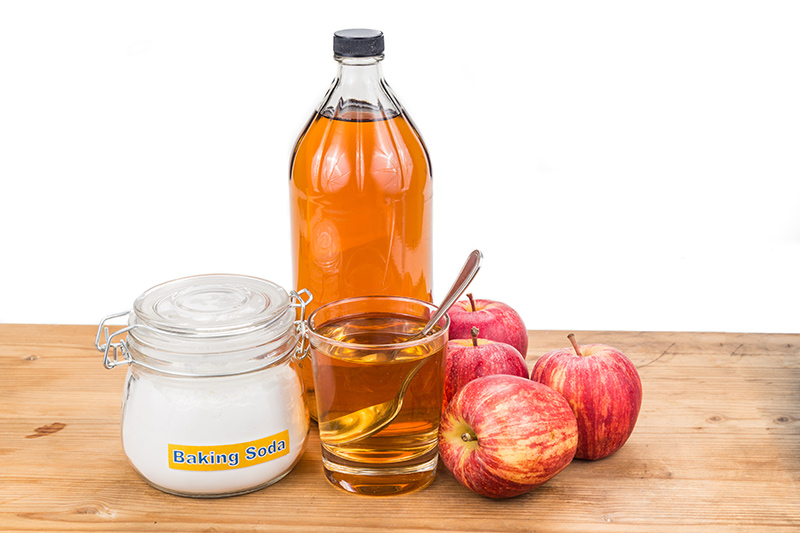
Many people use acid reflux remedies like herbal teas, ginger, baking soda and apple cider vinegar, or rely on lifestyle changes such as avoiding late meals or elevating the head during sleep. While these approaches may help relieve symptoms for some people, they are not enough to manage every case of acid reflux.
Medical Advice: Such Remedies Can Support Treatment But May Not Replace Professional Care
Adopting lifestyle changes like maintaining a healthy weight, avoiding late meals and identifying trigger foods can help manage symptoms. However, evidence for many natural remedies is limited.
Recurrent or severe symptoms may require medications such as antacids, H2 blockers or proton pump inhibitors (PPIs). Ongoing symptoms despite lifestyle changes or home remedies should prompt specialist assessment to determine the most appropriate next steps.
Myth #3: If Your Acid Reflux Sore Throat Improves, The Problem Is Gone
Many people believe that once an acid reflux sore throat improves, the issue is solved. Others may treat an inflamed throat from acid reflux with home remedies and assume no further care is needed. However, brief symptom relief does not always mean reflux has resolved.
Medical Advice: Persistent Throat Symptoms May Indicate Ongoing Acid Reflux and Require Treatment
Repeated exposure of the throat to stomach acid can irritate the delicate tissues of the throat and voice box, a condition known as laryngopharyngeal reflux (LPR). This may cause a persistent sore throat, hoarseness, chronic cough or the sensation of a lump in the throat, even when heartburn is absent.
Although throat discomfort may improve temporarily, reflux-related irritation can continue if stomach contents repeatedly reach the throat. Recurring throat symptoms or warning signs such as difficulty swallowing, unexplained weight loss or voice changes warrant specialist assessment.
Get Personalised Acid Reflux Care with Dr Shanker
Many misconceptions about acid reflux stem from the belief that certain foods, home remedies or temporary symptom relief can resolve the condition on their own. While dietary changes, lifestyle modifications and some acid reflux remedies may help manage mild symptoms, they are not universal solutions and should not replace an accurate diagnosis. Long-term symptom control often requires a combination of accurate diagnosis, trigger management and treatment tailored to the severity and pattern of your reflux.
At the Digestive Centre, we are committed to helping patients achieve lasting relief through accurate diagnosis and individualised care for acid reflux. Our senior consultant surgeon, Dr Shanker Pasupathy, provides tailored management plans based on each patient's symptoms, lifestyle and treatment goals. If you experience persistent acid reflux or recurring symptoms despite home remedies or lifestyle changes, book an appointment for a comprehensive assessment and customised treatment plan.
FAQs About Acid Reflux Remedies and Medical Advice
Can drinking water stop acid reflux?
Drinking water may help clear small amounts of acid from the oesophagus or temporarily relieve symptoms in some people, but it is not a treatment for acid reflux. If your symptoms occur often or interfere with daily life, a medical assessment is recommended to identify why your symptoms continue to recur and whether further treatment is needed.
Is it safe to take antacids every day?
Occasional use of antacids is generally suitable for short-term symptom relief. However, frequent or long-term use without medical advice may mask an underlying condition and is not appropriate for everyone. If you need antacids regularly, consult a doctor to determine whether further investigation or a different treatment approach is needed.
Why does my acid reflux feel worse at night?
Acid reflux often becomes more noticeable when lying down because stomach acid can flow back into the oesophagus more easily. Eating late in the evening, having a large dinner or lying down soon after a meal may also contribute to night-time symptoms.
Can acid reflux come back after it has improved?
Acid reflux symptoms may return if underlying risk factors remain or if trigger foods and lifestyle habits are reintroduced. Some people may also have chronic gastroesophageal reflux disease (GERD), which requires ongoing management to reduce symptom recurrence.
When might I need an endoscopy for acid reflux?
An upper gastrointestinal endoscopy may be recommended if you have persistent symptoms despite treatment, difficulty swallowing, unexplained weight loss, gastrointestinal bleeding or other warning signs. It allows your doctor to examine the oesophagus and stomach, identify complications and determine whether additional treatment is required.
Our Upper Gastrointestinal & Bariatric Surgeon in Singapore

Dr Shanker Pasupathy
Upper Gastrointestinal & Bariatric Surgeon
MBBS, National University of Singapore
Fellow of the Royal College of Surgeons (Glasgow)
Fellow of the Royal College of Surgeons (Edinburgh)
Dr Shanker Pasupathy is the Medical Director of the Digestive Centre at Mount Elizabeth Hospital and a recognised key opinion leader in gastro-oesophageal reflux, hernia and metabolic disease management. He has extensive international training in gastrointestinal endoscopy, laparoscopy and robotic surgery, with experience gained in the UK, France and Germany.
Prior to private practice, he was Director of the LIFE Centre and Senior Consultant at Singapore General Hospital, where he led the metabolic-bariatric surgery service. Dr Shanker is actively involved in training healthcare professionals across the region and was awarded the Dean’s Award for teaching excellence from NUS Medicine. He also holds leadership positions in regional surgical societies and is a member of the American Society for Metabolic and Bariatric Surgery (ASMBS).
We offer comprehensive, personalised care for acid reflux and obesity.
Please fill in the form to enquire or book an appointment here. We’ll get back to you as soon as possible.
Mount Elizabeth Hospital3 Mount Elizabeth #12-14 Mount ElizabethMedical Centre Singapore 228510
Tel: +65 6737 5388Whatsapp: +65 8799 2791
Opening Hours:
Mon-Fri: 9am - 5pmSat: 9am - 12.30pmClosed on Sunday & Public Holidays