





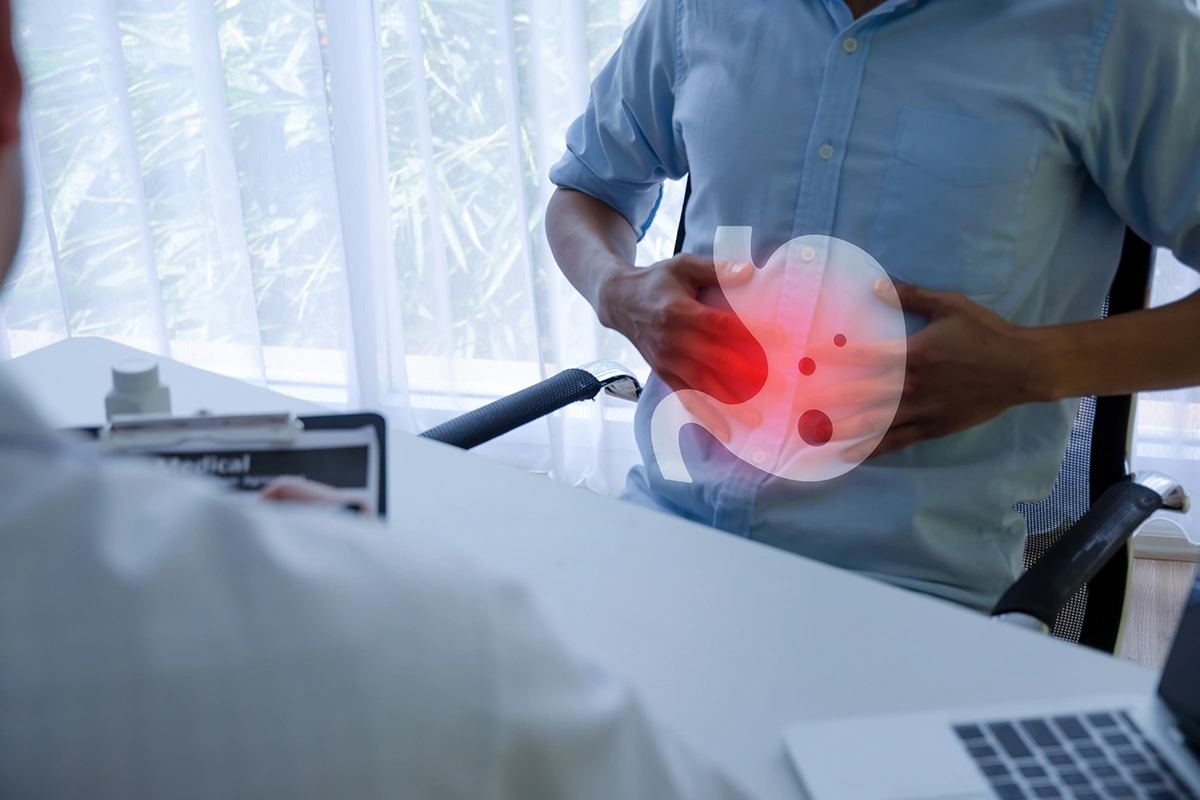
If you have been dealing with acid reflux for some time, chances are you have already tried medication and made changes to your daily habits. You may have adjusted your diet, avoided late meals or tried to sleep with your head elevated. For a while, these steps may have helped. But over time, the symptoms can return, whether it is a persistent burning sensation, regurgitation after meals or discomfort that disrupts your sleep.
This can be frustrating, especially when you feel like you are doing everything right but still not getting lasting relief. Many people in this situation begin to wonder if there is a more effective, longer-term solution. At this stage, it is worth looking beyond medication alone to better understand GERD and explore other treatment options that address the root of the problem.
When Is Surgery Considered for Acid Reflux or GERD?
Surgery for acid reflux or GERD is typically considered when symptoms persist despite appropriate medical treatment. While many individuals respond well to medications, some may continue to experience ongoing discomfort, regurgitation or complications. In such cases, surgery may be an option if:
- Symptoms remain poorly controlled despite long-term medication.
- There is a need for continuous medication to manage reflux.
- Side effects from medications become difficult to tolerate.
- Complications such as inflammation or narrowing of the oesophagus develop.
- Reflux significantly affects daily activities or quality of life.
What Surgical Options Are There for Acid Reflux and GERD?
Several surgical options are available for managing GERD, particularly when symptoms are not well controlled with medication. These procedures aim to strengthen the barrier between the stomach and oesophagus, reducing acid backflow.
One of the most established procedures is fundoplication, which involves wrapping the upper part of the stomach around the lower oesophagus to reinforce the valve and prevent reflux. It is commonly performed using minimally invasive techniques and has a long track record of effectiveness.
Another option is the LINX procedure, which uses a small ring of magnetic beads placed around the lower oesophagus. The device helps keep the valve closed to prevent reflux, while still allowing it to open when swallowing.
What to Expect Before and After GERD Surgery
Understanding the process before and after surgery can help you prepare and set realistic expectations.
Before surgery:
- A thorough evaluation is performed to confirm the diagnosis.
- Tests may include endoscopy, pH monitoring and oesophageal manometry.
- These assessments help determine whether surgery is appropriate.
During the procedure:
- Surgery is typically performed using minimally invasive techniques.
- Smaller incisions are used, which may support a faster recovery.
After surgery:
- Most patients experience improvement in symptoms such as heartburn and regurgitation.
- Recovery is gradual, with a return to normal activities over several weeks.
- Follow-up care is important to monitor healing and manage any temporary side effects.
How Do You Know If Surgery Is Right for You?
Deciding whether surgery is the right option beyond medication depends on several individual factors. Your doctor will consider the severity and frequency of your symptoms, how well they respond to medication and whether complications have developed. Factors such as your overall health, anatomy and lifestyle preferences also play an important role in determining suitability for surgery.
Surgical treatment is not necessary for everyone and the decision should be made after a thorough evaluation and discussion with a specialist. Understanding the potential benefits and risks can help you make a more informed choice that aligns with your treatment goals and quality of life.

Expert Care for Acid Reflux and GERD with Dr Shanker
Surgery can be an effective option for managing GERD when medications no longer provide adequate relief. Understanding the available procedures and what they involve can help you make a more informed decision about your treatment. With the right approach, it is possible to achieve long-term symptom control and improve overall quality of life.
Digestive Centre adopts a patient-centred approach to managing reflux-related conditions, including cases where symptoms persist despite medication and may require surgical intervention. Led by Dr Shanker Pasupathy, our patient care combines advanced diagnostic capabilities with expertise in minimally invasive procedures such as the LINX procedure and fundoplication surgery. If you are experiencing ongoing reflux symptoms that do not improve with medication, seek specialist evaluation for a personalised treatment plan to support long-term relief.
FAQs About Acid Reflux and GERD Treatment Beyond Medication

Your Dedicated Specialist
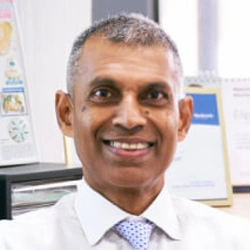
Dr Shanker Pasupathy
Upper Gastrointestinal & Bariatric Surgeon
MBBS, National University of Singapore
Fellow of the Royal College of Surgeons (Glasgow)
Fellow of the Royal College of Surgeons (Edinburgh)
Dr Shanker Pasupathy is the Medical Director of the Digestive Centre at Mount Elizabeth Hospital and a recognised key opinion leader in gastro-oesophageal reflux, hernia and metabolic disease management. He has extensive international training in gastrointestinal endoscopy, laparoscopy and robotic surgery, with experience gained in the UK, France and Germany.
Prior to private practice, he was Director of the LIFE Centre and Senior Consultant at Singapore General Hospital, where he led the metabolic-bariatric surgery service. Dr Shanker is actively involved in training healthcare professionals across the region and was awarded the Dean’s Award for teaching excellence from NUS Medicine. He also holds leadership positions in regional surgical societies and is a member of the American Society for Metabolic and Bariatric Surgery (ASMBS).
We offer comprehensive, personalised care for acid reflux and obesity.
Please fill in the form to enquire or book an appointment here. We’ll get back to you as soon as possible.
Mount Elizabeth Hospital3 Mount Elizabeth #12-14 Mount ElizabethMedical Centre Singapore 228510
Tel: +65 6737 5388Whatsapp: +65 8799 2791
Opening Hours:
Mon-Fri: 9am - 5pmSat: 9am - 12.30pmClosed on Sunday & Public Holidays
