






Bariatric sleeve surgery can support long-term weight loss by reducing stomach size and appetite. Learn about the procedure, recovery, risks, and who it may be suitable for.

GERD doesn’t always feel like heartburn. Symptoms like cough or hoarseness are often missed—find out what to look for.
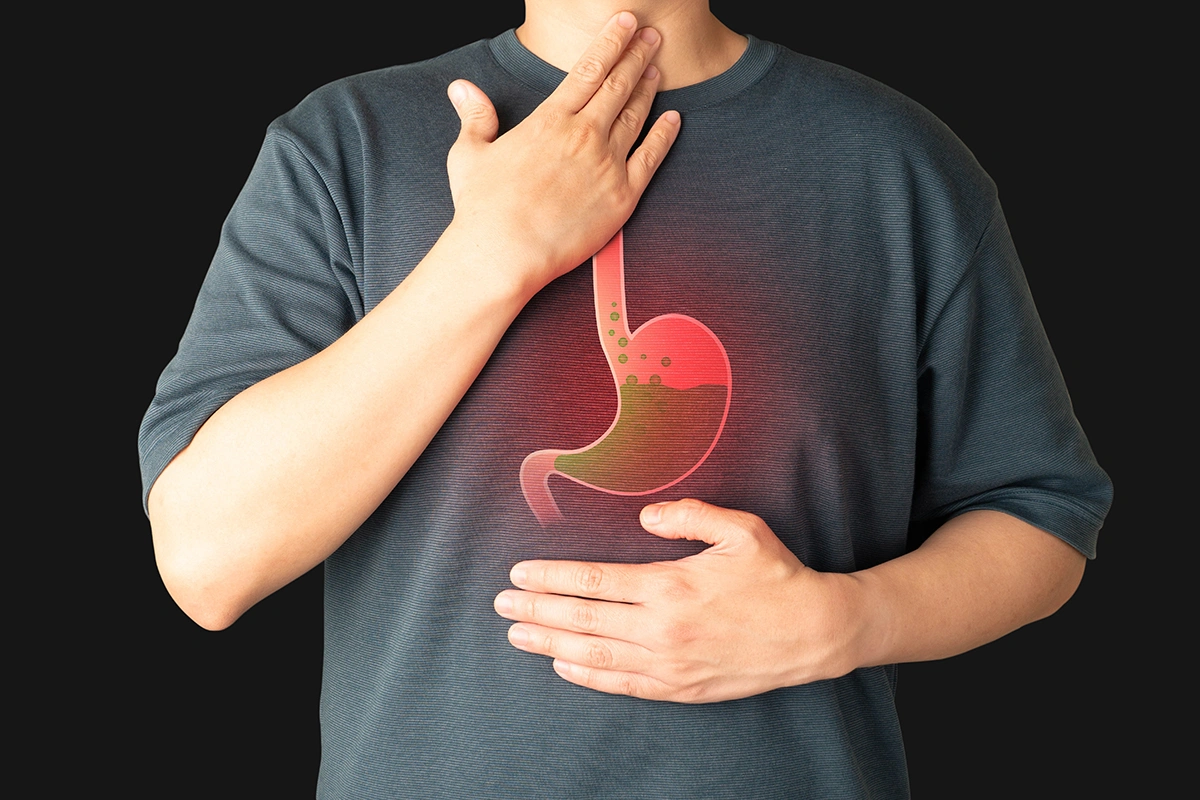
When does acid reflux become GERD? Learn the warning signs, symptoms, and risks, and when to seek medical care for persistent or worsening reflux to prevent complications and get the right treatment.

Not losing weight after ESG? Learn common causes, warning signs, and what you can do to improve results. Find out when to seek medical advice for persistent or limited weight loss.
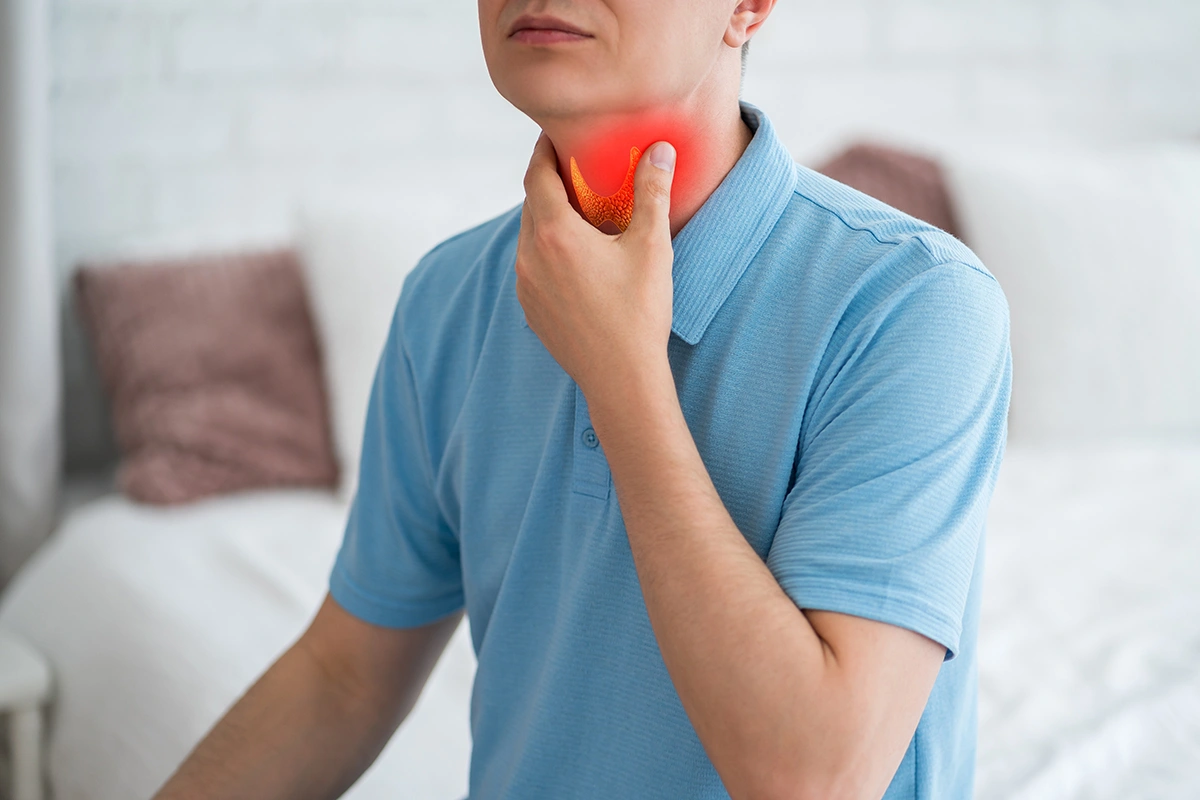
Persistent sore throat may be linked to acid reflux, even without heartburn. Learn the signs, causes and when to seek specialist care for lasting relief.
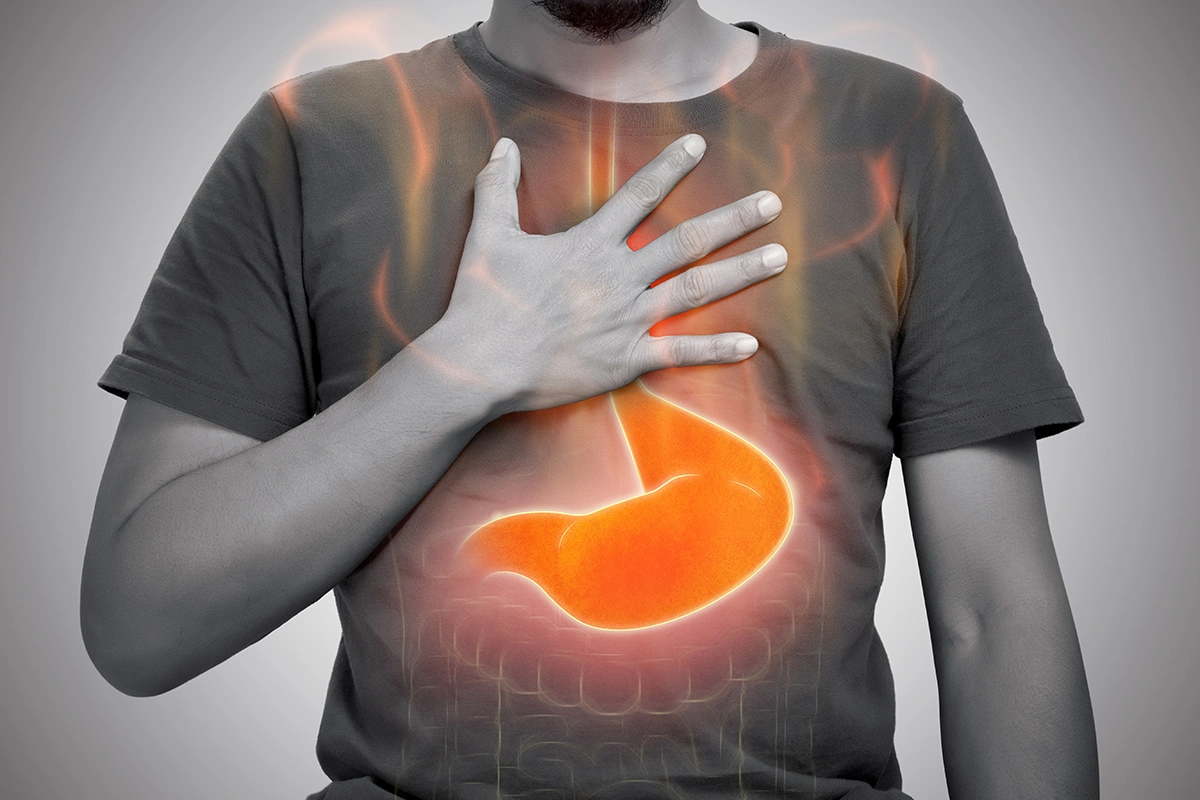
Understand the key differences between fundoplication and the LINX procedure for acid reflux. Find out which treatment option may be right for your needs.

Heartburn is common during pregnancy and often linked to hormonal and physical changes. Learn the symptoms, safe management tips and when to seek medical advice for lasting relief.
GERD symptoms not improving with medication? Learn when surgery may be considered and explore options like fundoplication and LINX for long-term relief.

Acid reflux symptoms can be uncomfortable, but if you’re not suffering from chronic symptoms, you might feel well-equipped to deal with them on your own. Many people only experience heartburn after consuming a large meal, a late-night snack or particularly spicy food, and it is common for them to turn to home remedies for quick relief.
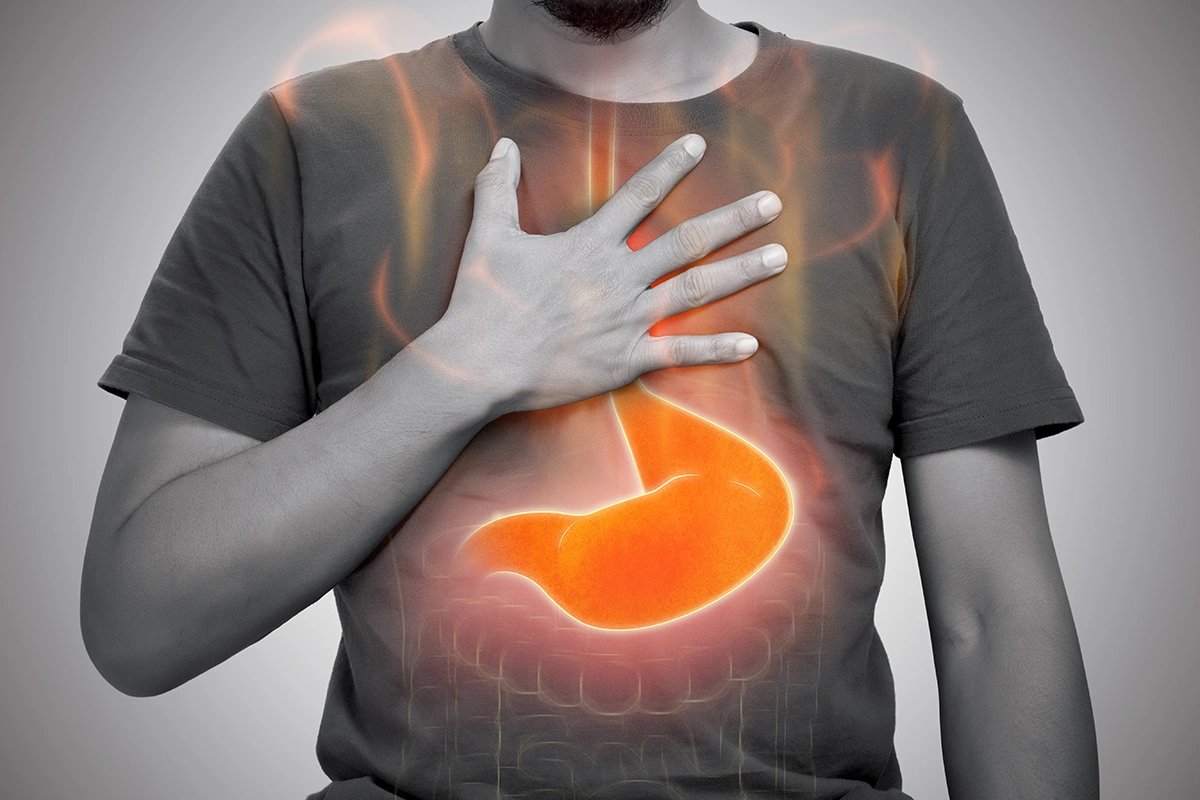
Many people have experienced acid rising into the throat after a meal at least once. It may feel like a burning sensation in the chest or an uncomfortable regurgitation that lingers longer than expected. While an isolated episode after a heavy or spicy meal is common, problems arise when these symptoms begin to occur repeatedly.

Acid reflux is a common occurrence that affects many people at some point in their lives. For some, it presents as occasional heartburn after a heavy meal. For others, it becomes a persistent condition that disrupts sleep, causes chronic throat discomfort or leads to ongoing chest pain.
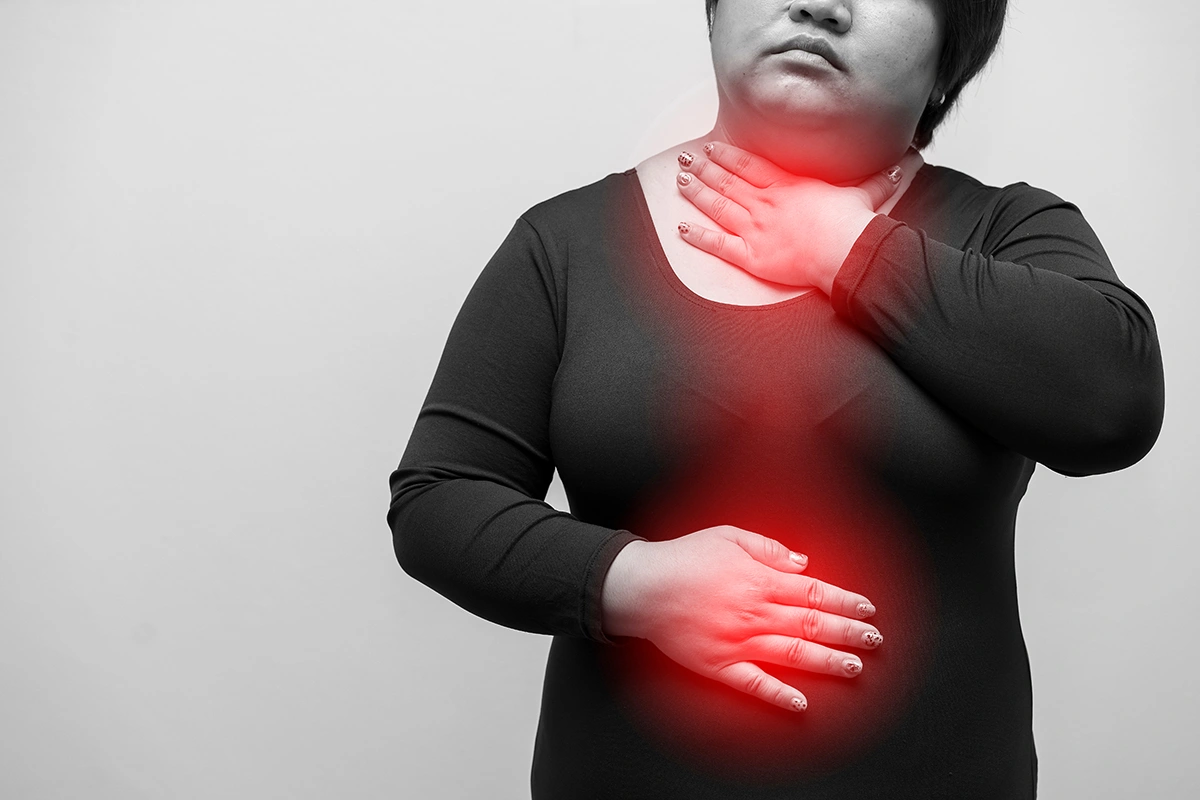
Heartburn is a common symptom of acid reflux, manifesting as a burning sensation in the chest. This pain is caused by stomach acid flowing up into the oesophagus, which is the part of the throat that connects the stomach to the mouth.

We’ve all been there—that uncomfortable burning sensation in the chest after a spicy meal or a late-night supper. In most cases, occasional acid reflux is a normal, albeit annoying, part of the human experience

It’s the most terrifying feeling: a vice grip on your chest, a struggle to breathe, a cold sweat, and that unmistakable tingling down your left arm. These are classic, critical symptoms of a heart attack, and they demand an immediate call to the emergency room or ambulance. Don't wait.
If you suffer from chronic heartburn or regurgitation, you know the routine: wake up, take a proton pump inhibitor (PPI) pill, and hope for the best. For many, PPIs offer a temporary shield, but they don't fix the core problem—the failed valve between your oesophagus and stomach (the lower oesophageal sphincter, or LES).

A persistent sore throat can be frustrating, especially when it doesn't come with common cold or flu symptoms. In many cases, the culprit is not an infection but a digestive condition known as acid reflux. Acid reflux can irritate the lining of the throat, leading to soreness, hoarseness, and even difficulty swallowing.

Heartburn is a common condition, but when it strikes at night, it can become more than just uncomfortable—it can disrupt your sleep, affect your quality of life, and even impact your long-term health. If you find yourself waking up with a burning sensation in your chest, a sour taste in your mouth, or frequent coughing, you're not alone.

If you’ve ever felt a burning sensation rising from your stomach to your chest or throat, chances are you've experienced acid reflux. This common digestive issue occurs when stomach acid flows back up into the oesophagus, irritating its lining.

Acid reflux, also known as gastric reflux, occurs when stomach acid flows back into the oesophagus, causing discomfort and irritation. When acid reflux becomes chronic and occurs more than twice a week, it is classified as gastroesophageal reflux disease (GERD).

Acid reflux, heartburn, gastric reflux, and GERD are terms often used interchangeably, but they are not exactly the same. While they are all related to the digestive system and the movement of stomach acid, they refer to different aspects of acid-related conditions.
We offer comprehensive, personalised care for acid reflux and obesity.
Please fill in the form to enquire or book an appointment here. We’ll get back to you as soon as possible.
Mount Elizabeth Hospital3 Mount Elizabeth #12-14 Mount ElizabethMedical Centre Singapore 228510
Tel: +65 6737 5388Whatsapp: +65 8799 2791
Opening Hours:
Mon-Fri: 9am - 5pmSat: 9am - 12.30pmClosed on Sunday & Public Holidays
